



We all know the basics of oral hygiene: brush twice a day, floss regularly, and keep up with your dental checkups. But even with the best intentions, our gums can sometimes tell a different story. Gum disease, or periodontal disease, is incredibly common, yet it often develops so quietly that many people don’t realize they have it until it becomes a more significant issue.
As your local dentist, we believe that being informed is the first step toward a healthier, more confident smile. Your gums are the foundation of your dental health, supporting your teeth and keeping them securely in place. When that foundation is compromised, it can affect more than just your mouth; it can impact your overall wellness.
In this guide, we’ll explore the signs of gum disease, why you shouldn’t ignore them, and how proactive dental care can save your smile.
What is Gum Disease?
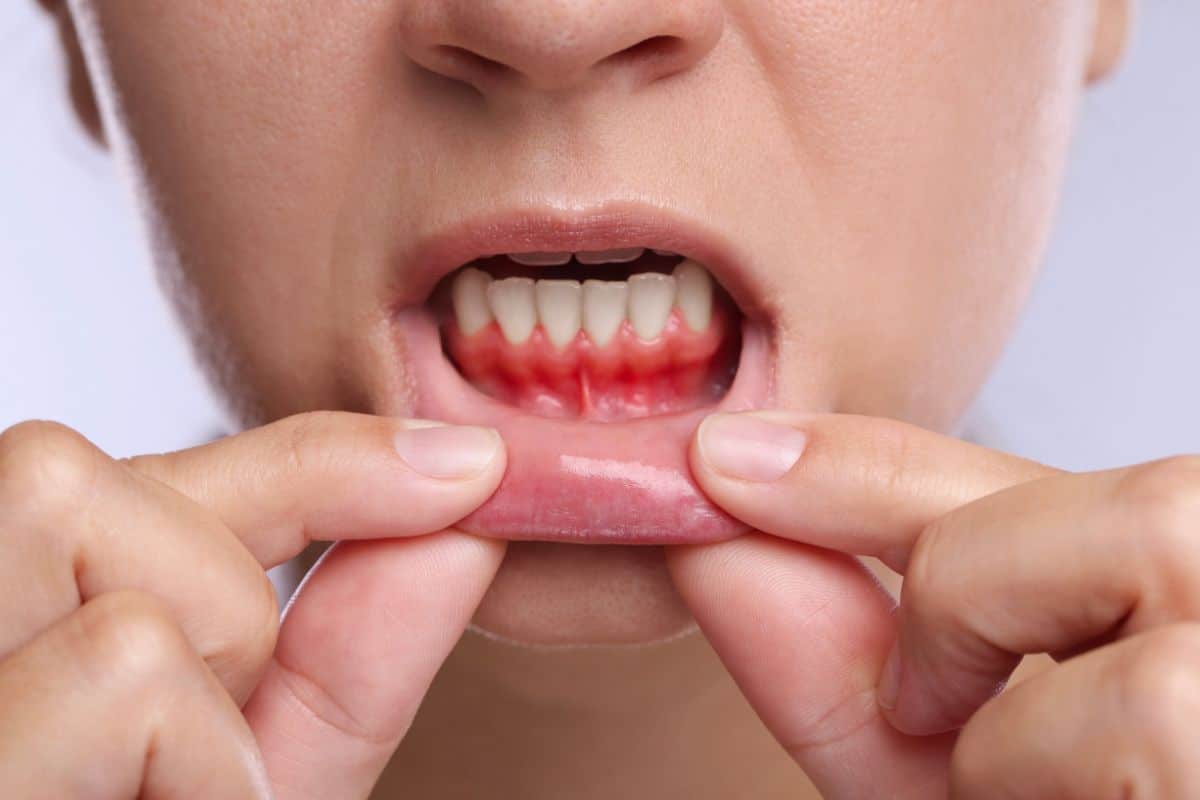
Gum disease is an inflammation or infection of the tissues surrounding and supporting your teeth. It typically begins as gingivitis, a mild form of gum disease characterized by redness, swelling, and bleeding. If left untreated, gingivitis can progress to periodontitis, a more severe stage where the gums pull away from the teeth, creating pockets that can become infected and eventually lead to tooth loss.
The good news? Early-stage gum disease is often reversible with professional treatment and improved oral hygiene habits at home.
5 Warning Signs of Gum Disease
Your body is excellent at sending signals when something isn’t quite right. When it comes to your gums, pay close attention to these common warning signs.
1. Persistent Bleeding
Does your floss look a bit pink after you use it? While brushing or flossing too aggressively can occasionally cause minor bleeding, consistent bleeding during your oral hygiene routine is a classic red flag for gingivitis. Healthy gums should be firm and pale pink; they shouldn’t bleed when touched.
2. Swollen or Tender Gums
If you’re searching for a dentist for swollen gums, you’re not alone. Inflammation is your body’s response to bacterial buildup. If your gums look puffy, feel tender to the touch, or appear bright red instead of a healthy pink, it’s time to have a professional take a look.
3. Chronic Bad Breath (Halitosis)
We’ve all had morning breath, but persistent bad breath that doesn’t go away after brushing or using mouthwash can be a sign that bacteria are thriving in the pockets between your teeth and gums. This “stuck” bacteria produces foul-smelling compounds that are hard to clean away without professional tools.
4. Receding Gums
Have your teeth started to look “longer”? This is a common sign of gum recession, where the gum tissue pulls away from the tooth, exposing the tooth root. Not only does this make teeth look longer, but it can also increase tooth sensitivity to hot and cold temperatures.
5. Loose Teeth
This is a more advanced sign of periodontitis. When the supporting structures, the bone and connective tissue, are damaged by chronic infection, teeth can begin to shift or feel loose. If you notice any movement in your teeth, you should seek professional attention immediately.
Why You Shouldn’t Wait to Seek Treatment
Ignoring these signs won’t make the underlying infection go away. In fact, periodontal disease is progressive. The longer it is left untreated, the deeper the infection goes, making treatment more complex and potentially costly.
Beyond the health of your teeth, there is growing evidence linking oral health to systemic health. Chronic inflammation in the mouth has been associated with various health conditions, including heart disease and diabetes. By taking care of your gums, you are taking care of your whole self.
How We Can Help
At Blanco Dental Center & Orthodontics, we prioritize your comfort and long-term oral health. Whether you are dealing with early signs of gingivitis or need more advanced periodontal therapy, our team is here to help you get your smile back on track.
When you visit our dental office, we provide a comprehensive examination to determine the health of your gum tissue. We’ll look for signs of inflammation, measure the depth of your gum pockets, and discuss a personalized treatment plan designed specifically for you.
Take Control of Your Oral Health Today
Your smile is one of your most valuable assets. Don’t let the subtle signs of gum disease progress into bigger problems. Whether you’ve noticed persistent bleeding, sensitivity, or just want to ensure your dental foundation is as strong as it can be, our team at Blanco Dental Center & Orthodontics is ready to help.
We pride ourselves on providing friendly, high-quality, and modern care right here in the Blanco community. We know that life gets busy, but your health shouldn’t be pushed to the bottom of the list.
Ready to get your smile back on track? Book an appointment today at Blanco Dental Center & Orthodontics. Call us at 830-833-2200 to secure your time. We look forward to helping you achieve a healthier, happier smile!
Frequently Asked Questions
1. Is gum disease reversible?
In its early stages (gingivitis), gum disease is often reversible with a professional dental cleaning and improved home care. If it has progressed to periodontitis, we can manage the disease and stop it from getting worse, but it may require more involved periodontal treatment.
2. Can stress cause gum disease?
Yes. Stress can weaken your immune system, making it harder for your body to fight off the bacteria that cause gum infections. It can also lead to habits like teeth grinding (bruxism), which can put extra stress on the tissues supporting your teeth.
3. How often should I visit the dentist?
For most patients, we recommend a checkup and cleaning every six months. However, if you are showing signs of gum disease, we may suggest more frequent visits to monitor your progress and keep your gums healthy.
4. What should I do if I notice swollen gums?
Don’t wait for it to go away on its own. The best step is to schedule an appointment with your dentist. In the meantime, continue gentle brushing and flossing, and avoid harsh mouthwashes that might irritate the tissue further.


New Patients & Emergency Appointments Welcome!