


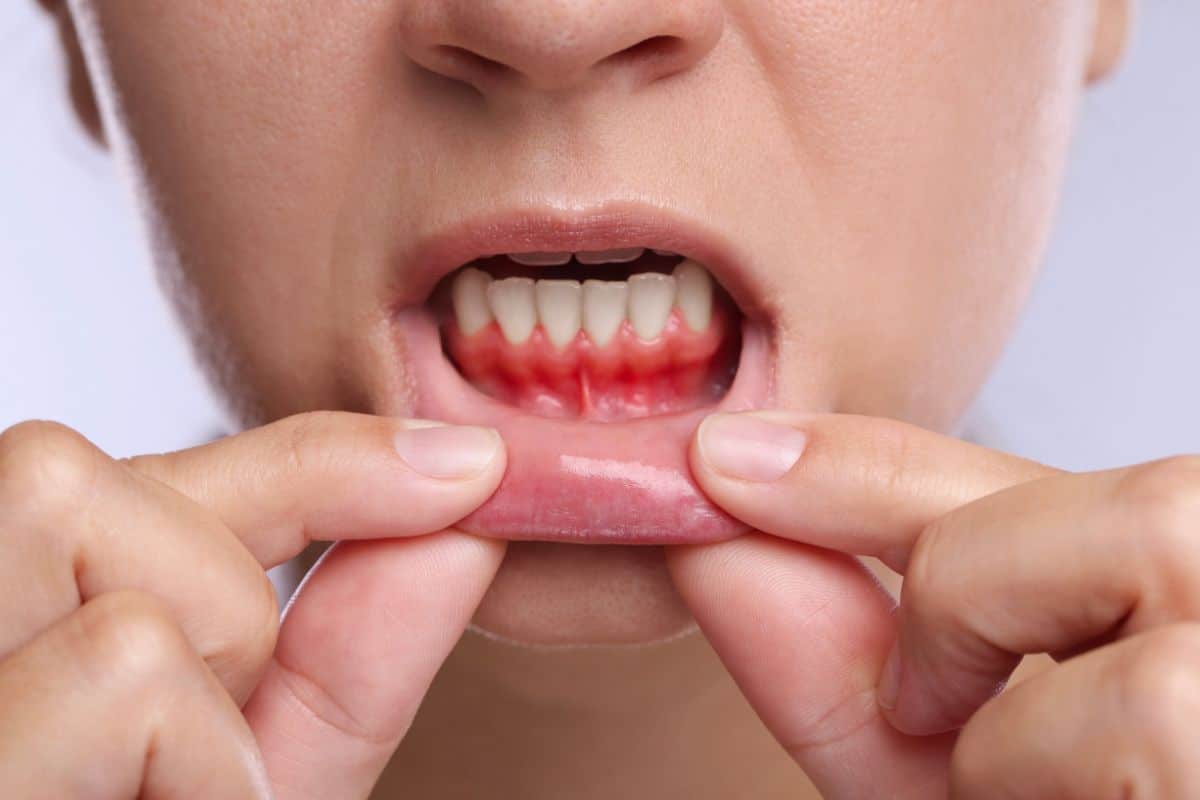
When you look in the mirror after brushing your teeth, do you ever notice a little pink in the sink? Or perhaps your gums feel a bit tender, swollen, or irritated when you floss. If this sounds familiar, you aren’t alone. Millions of adults experience some form of gum irritation, and it is very common to brush off these subtle warning signs as nothing to worry about.
However, your gums are trying to tell you something important. That minor irritation is often the early stage of gum disease, known scientifically as gingivitis. The good news? Unlike more advanced forms of gum trouble, gingivitis is entirely reversible when caught early and managed correctly.
Understanding how to spot, treat, and reverse this condition can save you from discomfort, expensive dental procedures, and long-term health complications down the road. Let’s dive into everything you need to know about gingivitis, how it develops, and the steps you can take to protect your smile.
What Exactly Is Gingivitis?
To understand gingivitis, it helps to look beneath the surface of your smile. Your gums play a vital role: they act as a tight, protective seal around the roots of your teeth, shielding the underlying bone and blood vessels from harmful bacteria.
Every day, a sticky, colorless film of bacteria called plaque constantly forms on your teeth. When you brush and floss regularly, you remove most of this plaque. But if plaque is left behind, it hardens into a rough, porous substance called calculus, or tartar. Tartar cannot be removed with a standard toothbrush; it requires specialized tools and a professional touch.
As plaque and tartar accumulate along and beneath the gumline, the bacteria release toxins that irritate the delicate gum tissues. This irritation triggers an inflammatory response from your body’s immune system, causing your gums to become:
- Red or purplish instead of a healthy, pale pink
- Puffy, swollen, or tender to the touch
- Prone to bleeding easily during brushing or flossing
- A source of persistent bad breath caused by gingivitis that doesn’t go away with mints or mouthwash
At this stage, the condition is strictly confined to the surface tissues. The underlying bone and connective tissue holding your teeth in place have not yet been damaged. This distinction is crucial because it answers the core question: Yes, gingivitis is entirely curable.
The Slippery Slope: What Happens If Gingivitis Goes Untreated?
Because early-stage gum inflammation rarely causes sharp pain, many people ignore it. They might assume that a little bleeding when flossing is normal, or they might try to mask persistent bad breath caused by gingivitis with extra mouthwash.
Unfortunately, waiting it out allows the condition to progress. If left unmanaged, gingivitis does not simply stay put; it can advance into a much more serious condition called periodontitis.
Once periodontitis develops, the infection moves deeper below the gumline. Toxins begin to break down the bone and connective tissues that anchor your teeth firmly in place. Gums begin to pull away from the teeth, forming deep pockets that trap even more bacteria. Over time, teeth can loosen, shift, or even require extraction.
Beyond your oral health, chronic gum inflammation has been linked in various medical studies to systemic health concerns, including heart disease, poorly controlled diabetes, and respiratory issues. Protecting your gums isn’t just about keeping your teeth looking great; it is an investment in your total body wellness.
Is Gingivitis Truly Curable?
The short answer is a resounding yes.
Because gingivitis has not yet caused permanent damage to the bone or supporting structures of your teeth, it can be completely reversed. With a combination of diligent at-home hygiene habits and professional intervention, your gums can return to a state of vibrant health, firmness, and a pale pink color.
Reversing gingivitis requires interrupting the cycle of bacterial irritation. While improving your brushing technique at home is a massive step in the right direction, getting rid of hardened tartar requires professional care.
How Professionals Restore Gum Health
When you look for the best treatment for gum disease in its early stages, partnering with an experienced dental team is essential. Professional care targets the hidden bacterial buildup that your toothbrush simply cannot reach.
1. Comprehensive Dental Cleaning for Gingivitis
The cornerstone of professional reversal is a targeted dental cleaning for gingivitis, often referred to as a prophylaxis or scaling. During this procedure, a skilled dental hygienist uses specialized instruments to gently and thoroughly remove all traces of plaque and hardened tartar from above and slightly below the gumline. Once these irritants are cleared away, the inflammation subsides, and the healing process begins almost immediately.
2. Identifying Individual Risk Factors
Every patient’s mouth is unique. When you visit our dental office, our team doesn’t just clean your teeth; we look at the bigger picture. We evaluate lifestyle habits, nutritional factors, medical history, and daily hygiene routines that might be contributing to your gum sensitivity.
3. Tailored Home Care Education
A professional cleaning resets the clock, but maintaining your results happens at home. As part of professional gingivitis treatment, our team takes the time to demonstrate optimal brushing angles, recommend the ideal toothbrush firmness, and show you how to thread floss effectively around tight contact points.
What Do Dentists Do to Treat Gingivitis?
Patients often wonder, how do dentists treat gingivitis if it has started showing localized resistance or stubborn inflammation?
- Targeted Evaluation: The dentist performs a gentle periodontal charting exam, measuring the tiny spaces (sulcus) between your teeth and gums. Healthy gums typically measure between 1 and 3 millimeters deep. Deeper readings indicate that inflammation is beginning to take a heavier toll.
- Advanced Hygiene Therapies: For patients who have allowed plaque to accumulate for an extended period, a deeper cleaning technique called scaling and root planing may be recommended. This smooths out the root surfaces of the teeth, making it much harder for bacteria to latch on in the future.
- Therapeutic Rinses or Antimicrobial Agents: In specific cases, a localized prescription mouth rinse or antimicrobial gel may be recommended to temporarily suppress aggressive bacterial colonies while your gum tissues heal.
Simple Daily Habits to Keep Gingivitis Away
Once your gums are back on track, keeping them healthy requires daily consistency. Incorporating these simple habits into your routine will safeguard your smile:
- Brush Twice a Day for Two Minutes: Use a soft-bristled toothbrush (preferably electric) and fluoride toothpaste. Angle your bristles at a 45-degree angle toward the gumline to sweep away lingering food particles and plaque.
- Floss Daily Without Fail: Brushing only cleans about 60% of your tooth surfaces. Flossing is the only way to clear out the tight spaces between teeth where gum disease loves to start.
- Rinse Wisely: An antiseptic or therapeutic mouthwash can help reduce microbial loads, though it should never replace mechanical brushing and flossing.
- Stay Hydrated: Saliva is your mouth’s natural defense mechanism, washing away food debris and neutralizing acids. Drinking plenty of water throughout the day keeps your mouth clean and healthy.
- Keep Up with Routine Checkups: Visiting your dentist every six months allows for early detection before minor irritations turn into major problems.
Take Control of Your Gum Health Today
Gingivitis is a warning bell, but it doesn’t have to be a permanent fixture in your life. Because it is completely reversible, taking prompt action today protects your natural smile, eliminates stubborn discomfort, and ensures your breath stays fresh and clean.
If you have noticed tender spots, minor bleeding, or persistent changes in your gumline, don’t wait until the problem escalates. Let our experienced, compassionate team help you restore your oral health in a comfortable, welcoming environment.
Ready to give your smile the expert care it deserves? Book an appointment with Blanco Dental Center & Orthodontics today! Visit our dental office at 2222 N US Highway 281, Blanco, TX 78606, or call us at 830-554-4423 to schedule your visit. Your healthiest smile is just a phone call away!
Frequently Asked Questions About Gingivitis
1. Can gingivitis go away on its own?
No, gingivitis rarely resolves without intervention. While improving your home hygiene can slow it down, plaque that has hardened into tartar must be removed by a professional dental cleaning. Without intervention, it will likely progress into more severe gum disease.
2. Does gum bleeding always mean I have gingivitis?
Bleeding gums are a primary warning sign of gingivitis, though they can occasionally be triggered by aggressive brushing with a hard-bristled toothbrush or starting a new flossing routine. If the bleeding persists for more than a few days, it is best to have a professional evaluate your gum health.
3. How long does it take for gums to heal from gingivitis?
With a professional cleaning and a strict home care routine, mild gingivitis can often begin to heal and show noticeable improvement within one to two weeks.
4. Is gingivitis contagious?
Gingivitis itself is not contagious, but the bacteria that cause the plaque buildup can be transferred through saliva (such as through sharing utensils or kissing). However, whether those bacteria cause gingivitis in another person depends heavily on their own immune response and oral hygiene habits.



New Patients & Emergency Appointments Welcome!