


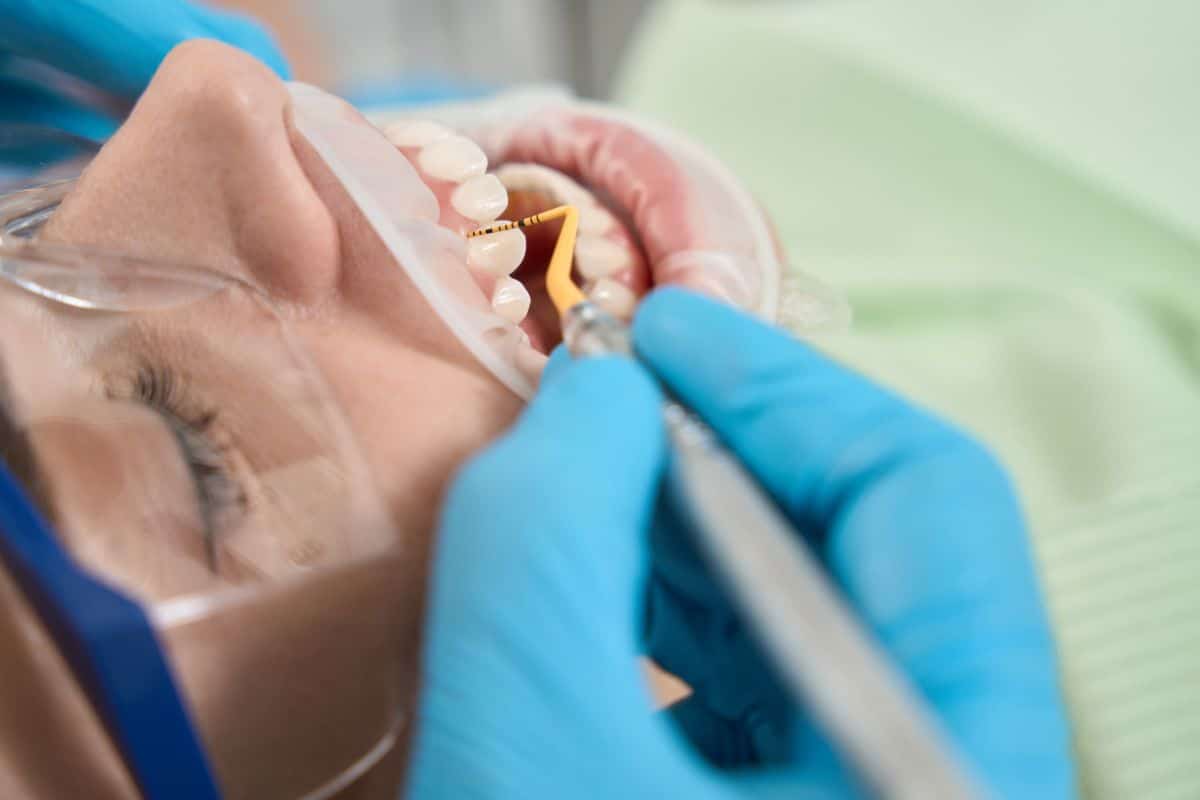
If your dentist has recommended a dental scaling, you may be wondering what happens once the procedure is over. Will your teeth feel different? Is soreness normal? How long does recovery take?
The good news is that dental scaling is a safe, effective treatment that improves your oral health and helps prevent more serious dental problems. While you may experience a few temporary side effects, most patients recover quickly and notice that their teeth feel cleaner and healthier than ever.
If you’re looking for a trusted dentist in Blanco, understanding what to expect after a dental scaling can help you feel more comfortable before and after your appointment. At Blanco Dental Center & Orthodontics, we believe informed patients make the best decisions for their smiles.
What Is a Dental Scaling?
Dental scaling is a professional deep-cleaning procedure that removes plaque, tartar (calculus), and bacteria from the surfaces of your teeth and below the gumline. Unlike a routine dental cleaning, scaling targets areas that regular brushing and flossing simply can’t reach.
Your dentist or dental hygienist may recommend scaling if you have:
- Early or advanced gum disease
- Excessive tartar buildup
- Bleeding or inflamed gums
- Persistent bad breath
- Deep periodontal pockets around your teeth
In many cases, scaling is combined with root planing, a procedure that smooths the tooth roots to help your gums reattach more effectively.
Why Dental Scaling Is Important
Plaque is a sticky film filled with bacteria. If it isn’t removed regularly, it hardens into tartar, which cannot be eliminated with a toothbrush alone.
Without treatment, tartar buildup can lead to:
- Gingivitis
- Periodontitis
- Gum recession
- Bone loss
- Loose teeth
- Tooth loss
Dental scaling removes these harmful deposits, allowing your gums to heal and significantly reducing your risk of future dental complications.
What You Can Expect Immediately After Dental Scaling
Every patient’s experience is slightly different, but most people notice a few common changes after treatment.
Mild Gum Tenderness
It’s completely normal for your gums to feel a little sore or sensitive for a day or two. Since plaque and tartar have been removed from beneath the gumline, the tissues need time to heal.
The discomfort is generally mild and improves quickly.
Tooth Sensitivity
Many patients experience temporary sensitivity to:
- Hot foods
- Cold drinks
- Sweet foods
- Cold air
This happens because tartar that once covered portions of the tooth has been removed, exposing the natural tooth surface.
Sensitivity usually fades within several days to a couple of weeks.
Slight Bleeding
A small amount of bleeding while brushing or flossing is common during the first day or two, especially if you had inflamed gums before treatment.
As your gums become healthier, the bleeding should gradually stop.
Teeth Feel Cleaner
One of the first things patients notice is how smooth and clean their teeth feel.
Without the rough tartar deposits, your teeth may even seem slightly larger or farther apart. This isn’t because anything changed, it’s simply because hardened buildup has been removed.
What Is Normal During Recovery?
Recovery after dental scaling is usually straightforward.
For the first few days, you may experience:
- Mild soreness
- Temporary gum tenderness
- Slight swelling
- Minor sensitivity
- Fresh, cleaner-feeling teeth
These symptoms typically improve each day.
However, if you develop severe pain, heavy bleeding, significant swelling, or symptoms that worsen after several days, contact your dental office promptly.
How Long Does It Take to Heal?
Healing time depends on the severity of gum disease and the extent of the scaling.
Typical recovery looks like this:
First 24 hours
- Mild soreness and sensitivity
- Minor bleeding may occur
Two to three days
- Gums begin healing
- Sensitivity starts decreasing
One week
- Most discomfort has resolved
- Gums appear healthier
Several weeks
- Gum tissues continue tightening around the teeth
- Inflammation continues improving
Patients with advanced periodontal disease may need additional follow-up visits to monitor healing.
Tips for a Smooth Recovery
Following a few simple guidelines can help you recover comfortably.
Practice Gentle Oral Hygiene
Continue brushing twice daily, but use a soft-bristled toothbrush and gentle pressure around sensitive areas.
Don’t stop brushing because of tenderness. Keeping the area clean is essential for healing.
Floss Carefully
Floss every day unless your dentist recommends otherwise.
Initially, your gums may bleed slightly, but regular flossing actually helps reduce inflammation over time.
Eat Soft Foods
For the first day or so, softer foods are usually more comfortable.
Good choices include:
- Yogurt
- Scrambled eggs
- Oatmeal
- Soup
- Applesauce
- Mashed potatoes
- Smoothies
- Pasta
Avoid crunchy or hard foods until your gums feel better.
Avoid Very Hot or Cold Foods
Since your teeth may be sensitive, choosing foods at room temperature can help minimize discomfort.
Stay Hydrated
Drinking plenty of water helps wash away bacteria and supports healthy healing.
Water also encourages saliva production, which naturally protects your teeth and gums.
Avoid Tobacco
Smoking and other tobacco products can significantly slow healing and increase your risk of gum disease returning.
If you smoke, consider using this opportunity to reduce or quit altogether.
Can You Eat Right After Dental Scaling?
Yes – but it’s best to wait until any local anesthetic has completely worn off.
Eating while you’re still numb increases the risk of accidentally biting your cheek, tongue, or lips.
Once the numbness disappears, begin with softer foods and gradually return to your regular diet as comfort improves.
How to Keep Your Gums Healthy After Scaling
Dental scaling is only one part of maintaining healthy gums.
Your daily habits play a major role in preventing future problems.
Healthy habits include:
- Brushing twice daily
- Flossing every day
- Using an antimicrobial mouth rinse if recommended
- Drinking plenty of water
- Eating a balanced diet
- Limiting sugary snacks and beverages
- Scheduling regular dental checkups and cleanings
These simple habits help prevent plaque from building up again.
Will You Need Additional Scaling Treatments?
It depends on your oral health.
Patients with healthy gums after treatment may only need routine dental cleanings every six months.
However, those with periodontal disease often benefit from more frequent periodontal maintenance visits every three to four months.
Your dentist will recommend a schedule based on your individual needs.
Benefits You’ll Notice After Healing
Although the first few days may involve mild discomfort, most patients appreciate the long-term benefits of dental scaling.
These include:
- Healthier gums
- Less bleeding while brushing
- Fresher breath
- Reduced inflammation
- Lower risk of tooth loss
- Better overall oral health
- Easier brushing and flossing
- A cleaner, smoother smile
Many patients are surprised by how much healthier their mouths feel after healing is complete.
Why Regular Dental Visits Matter
Even excellent home care cannot completely remove hardened tartar once it forms.
Routine professional cleanings allow your dental team to:
- Detect gum disease early
- Remove plaque and tartar
- Monitor your oral health
- Prevent small issues from becoming costly problems
Regular visits also help ensure your gums continue healing properly after scaling.
Whether you’re due for preventive care or need periodontal treatment, choosing an experienced dentist in Blanco can make all the difference in protecting your smile for years to come.
Schedule Your Visit at Blanco Dental Center & Orthodontics
Dental scaling is one of the most effective ways to restore healthy gums and protect your smile from the damaging effects of gum disease. While mild tenderness and sensitivity are common afterward, these temporary symptoms are a small step toward healthier teeth and gums.
If you’re experiencing bleeding gums, persistent bad breath, or signs of periodontal disease, don’t wait for the problem to worsen. The caring team at Blanco Dental Center & Orthodontics is committed to providing personalized, comfortable care for every patient. Whether you need a routine cleaning, periodontal treatment, or preventive dental care, we’re here to help you achieve lasting oral health.
If you’re searching for a trusted dentist in Blanco, visit our dental office to receive compassionate, high-quality care tailored to your needs. Book an appointment today and take the next step toward a healthier, brighter smile.
Frequently Asked Questions
Is dental scaling painful?
Most patients experience little to no pain during the procedure because local anesthesia is often used when needed. Some mild soreness afterward is completely normal and usually resolves within a few days.
How long will tooth sensitivity last?
Sensitivity typically lasts anywhere from a few days to two weeks, depending on your individual healing process and the amount of tartar removed.
Can I brush my teeth after dental scaling?
Yes. Continue brushing gently with a soft-bristled toothbrush. Maintaining excellent oral hygiene is one of the best ways to support healing.
Why do my teeth feel different after scaling?
Your teeth may feel smoother because plaque and tartar have been removed. Some patients also notice small spaces between teeth where tartar had previously accumulated.
When should I call my dentist?
Contact your dental provider if you experience severe pain, excessive bleeding, swelling that worsens, signs of infection, or symptoms that don’t improve after several days.



New Patients & Emergency Appointments Welcome!