


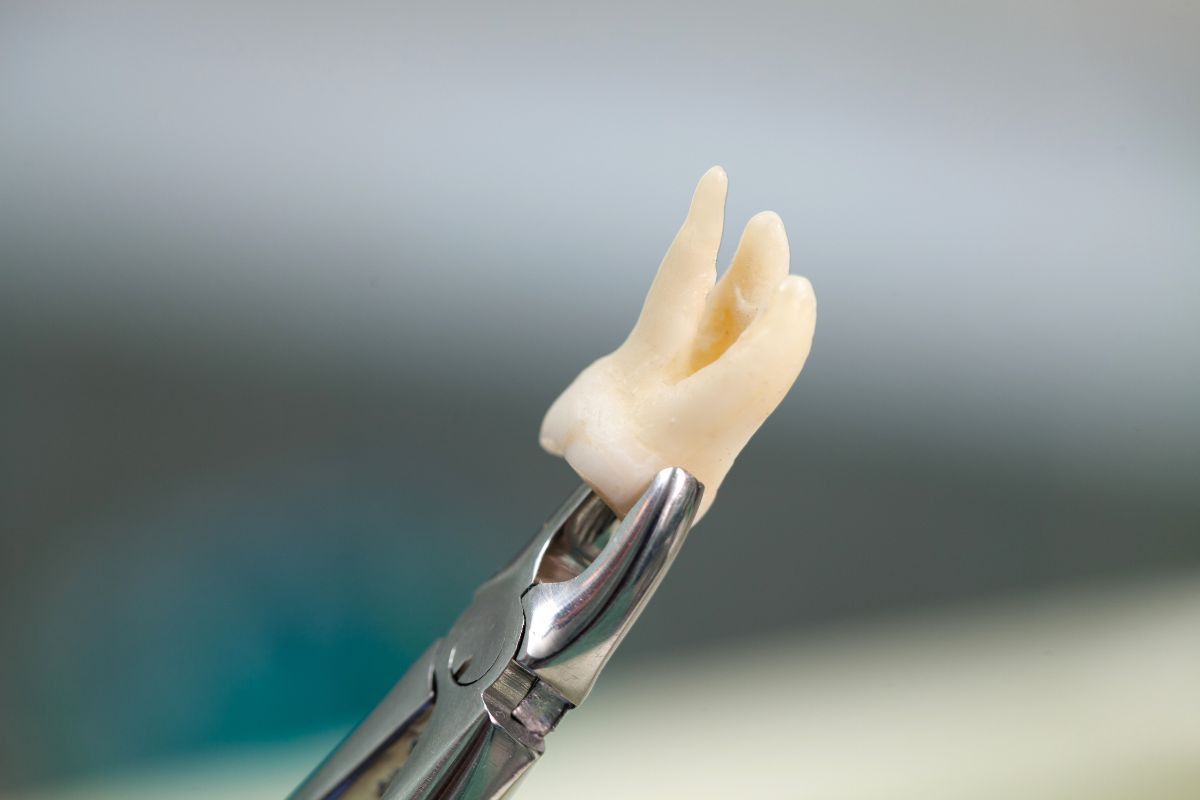
Tooth loss is often thought of as an issue that only affects older adults, but the truth is that people of all ages can lose teeth due to decay, gum disease, injury, or poor oral health habits. Losing even one tooth can impact your ability to chew, speak clearly, and smile with confidence. Fortunately, tooth loss is often preventable with consistent dental care and early intervention.
A trusted dentist plays a vital role in helping patients maintain healthy teeth and gums throughout their lives. Through preventive care, routine examinations, and personalized treatment plans, your dental team can identify potential problems before they lead to permanent tooth loss.
At Blanco Dental Center & Orthodontics, we are committed to helping patients protect their smiles for the long term. In this blog, we’ll explore how regular dental visits and proper oral care can significantly reduce your risk of losing teeth over time.
Understanding the Common Causes of Tooth Loss
Before discussing prevention, it’s important to understand what causes tooth loss in the first place. Some of the most common reasons include:
Gum Disease
Gum disease, also known as periodontal disease, is one of the leading causes of tooth loss in adults. It begins with inflammation of the gums and can progress to affect the tissues and bone supporting the teeth.
When left untreated, advanced gum disease weakens the structures that hold teeth in place, eventually leading to tooth mobility and loss.
Tooth Decay
Cavities that are not treated promptly can grow deeper and reach the inner layers of the tooth. Severe decay may lead to infection, pain, and irreversible damage that requires extraction.
Dental Trauma
Accidents, sports injuries, falls, and other unexpected events can result in cracked, fractured, or knocked-out teeth.
Teeth Grinding
Chronic teeth grinding, also called bruxism, places excessive pressure on teeth and supporting structures, increasing the risk of damage and tooth loss over time.
Poor Oral Hygiene
Inconsistent brushing, flossing, and professional dental care allow plaque and bacteria to accumulate, increasing the likelihood of both gum disease and decay.
The Importance of Preventive Dental Care
One of the most effective ways a dentist helps prevent tooth loss is through preventive care. Regular dental visits allow potential problems to be identified and treated early before they become serious.
Preventive dentistry focuses on maintaining oral health rather than simply treating issues after they occur.
Benefits include:
- Early detection of dental problems
- Reduced risk of gum disease
- Prevention of tooth decay
- Protection of supporting bone structures
- Long-term preservation of natural teeth
Routine preventive care is often far less expensive and less invasive than treating advanced dental conditions later on.
Professional Dental Cleanings Remove Harmful Buildup
Even patients who brush and floss consistently can miss areas where plaque accumulates.
Over time, plaque hardens into tartar, which cannot be removed with a toothbrush at home. Tartar creates an environment where bacteria thrive, increasing the risk of gum disease and tooth decay.
Professional cleanings performed by a dentist or dental hygienist help:
- Remove plaque and tartar buildup
- Reduce gum inflammation
- Prevent periodontal disease
- Improve overall oral health
- Lower the risk of future tooth loss
Regular cleanings are one of the simplest yet most powerful tools for protecting your natural teeth.
Early Detection Through Routine Dental Exams
Many oral health problems develop silently. In the early stages, gum disease and tooth decay may not cause noticeable symptoms.
Routine dental examinations allow your dentist to identify issues before they become severe.
During an exam, your dentist may evaluate:
- Tooth structure
- Gum health
- Bone support
- Existing restorations
- Bite alignment
- Signs of oral infection
By catching problems early, treatment can often be completed quickly and conservatively, helping preserve natural teeth.
Gum Disease Treatment Protects Tooth Stability
Since gum disease is a leading cause of tooth loss, effective periodontal care is essential.
A dentist monitors gum health during every preventive visit and can recommend treatment when signs of disease appear.
Common warning signs include:
- Bleeding gums
- Persistent bad breath
- Gum recession
- Swollen or tender gums
- Loose teeth
Depending on the severity, treatment may involve:
- Deep cleaning procedures
- Scaling and root planing
- Antibacterial therapies
- Ongoing periodontal maintenance
Addressing gum disease early significantly improves the chances of keeping your natural teeth for years to come.
Treating Cavities Before They Become Serious
Small cavities are relatively easy to treat with dental fillings. However, untreated decay can spread deeper into the tooth, eventually reaching the nerve.
When this occurs, more extensive treatment such as root canal therapy may be necessary.
Your dentist helps prevent tooth loss by:
- Detecting decay early
- Restoring damaged teeth promptly
- Monitoring existing restorations
- Recommending preventive treatments
Timely intervention often saves teeth that might otherwise require extraction.
Dental Sealants and Fluoride Treatments
Preventive treatments can provide additional protection against decay.
Fluoride Treatments
Fluoride strengthens tooth enamel and helps reverse early signs of demineralization. Professional fluoride applications can be particularly beneficial for children, teens, and adults at higher risk for cavities.
Dental Sealants
Sealants are thin protective coatings applied to the chewing surfaces of molars. They help prevent food particles and bacteria from becoming trapped in deep grooves.
These preventive measures can significantly reduce the likelihood of future decay and tooth loss.
Monitoring Bite Alignment and Orthodontic Concerns
Misaligned teeth can contribute to uneven wear, gum recession, and difficulty cleaning certain areas of the mouth.
A dentist may identify bite issues that increase the risk of long-term dental complications.
Orthodontic treatment can help:
- Improve oral hygiene access
- Reduce excessive tooth wear
- Lower stress on supporting structures
- Improve overall function
Proper alignment contributes to healthier teeth and gums throughout life.
Protecting Teeth From Grinding and Clenching
Many people grind or clench their teeth while sleeping without realizing it.
Over time, this habit can lead to:
- Cracked teeth
- Worn enamel
- Gum recession
- Jaw discomfort
- Tooth mobility
A dentist can diagnose signs of bruxism and recommend a custom night guard to protect your teeth during sleep.
This simple preventive measure can help preserve your smile and prevent avoidable damage.
Restoring Damaged Teeth Before Extraction Becomes Necessary
Modern dentistry offers numerous options for restoring damaged teeth rather than removing them.
Depending on the situation, treatment may include:
- Dental fillings
- Crowns
- Root canal therapy
- Inlays and onlays
- Bonding procedures
By repairing teeth early, dentists can often extend their lifespan significantly and avoid tooth loss.
Educating Patients About Healthy Oral Habits
One of the most valuable roles of a dentist is education.
Your dental team provides personalized guidance on:
- Proper brushing techniques
- Effective flossing habits
- Nutrition and oral health
- Tobacco cessation
- Managing dry mouth
- Protecting teeth during sports
These daily habits have a major impact on preserving your natural teeth for decades.
The Connection Between Overall Health and Tooth Loss
Oral health and overall health are closely connected.
Conditions such as diabetes, heart disease, and certain autoimmune disorders can affect gum health and increase the risk of tooth loss.
A dentist monitors changes in your oral health that may indicate broader health concerns and can work alongside your healthcare providers when necessary.
This comprehensive approach helps support both your oral and general well-being.
Why Consistent Dental Visits Matter
Many dental problems are preventable when addressed early. Unfortunately, waiting until pain develops often means the condition has already progressed significantly.
Regular visits help:
- Prevent disease
- Detect problems early
- Preserve natural teeth
- Reduce treatment costs
- Maintain a healthy smile
The investment in preventive dental care today can help you avoid complex procedures and tooth loss in the future.
Frequently Asked Questions
1. How often should I visit the dentist to help prevent tooth loss?
Most patients should schedule dental checkups and cleanings every six months. However, individuals with gum disease or other risk factors may require more frequent visits.
2. What is the leading cause of adult tooth loss?
Periodontal (gum) disease is one of the most common causes of tooth loss among adults.
3. Can a loose tooth be saved?
In many cases, yes. Early treatment for gum disease or other underlying issues may stabilize and save a loose tooth.
4. Does brushing and flossing really make a difference?
Absolutely. Consistent oral hygiene helps remove plaque and bacteria that contribute to decay and gum disease, two major causes of tooth loss.
5. Are tooth extractions always necessary for severely damaged teeth?
Not necessarily. Modern restorative dentistry often allows dentists to repair and preserve teeth that would have been extracted in the past.
Protect Your Smile With Preventive Dental Care
Your natural teeth are designed to last a lifetime, but keeping them healthy requires ongoing care and attention. Regular checkups, professional cleanings, early treatment, and healthy habits all play a critical role in preventing tooth loss over time.
If you’re looking for a trusted dentist in Blanco, the team at Blanco Dental Center & Orthodontics is here to help. Whether you need preventive care, restorative treatment, or guidance on maintaining optimal oral health, we’re committed to protecting your smile for years to come.
Don’t wait for dental problems to become serious. Visit our dental office today and take the first step toward lifelong oral health. Contact Blanco Dental Center & Orthodontics to book an appointment and learn how we can help you preserve your natural smile for the future.


New Patients & Emergency Appointments Welcome!