


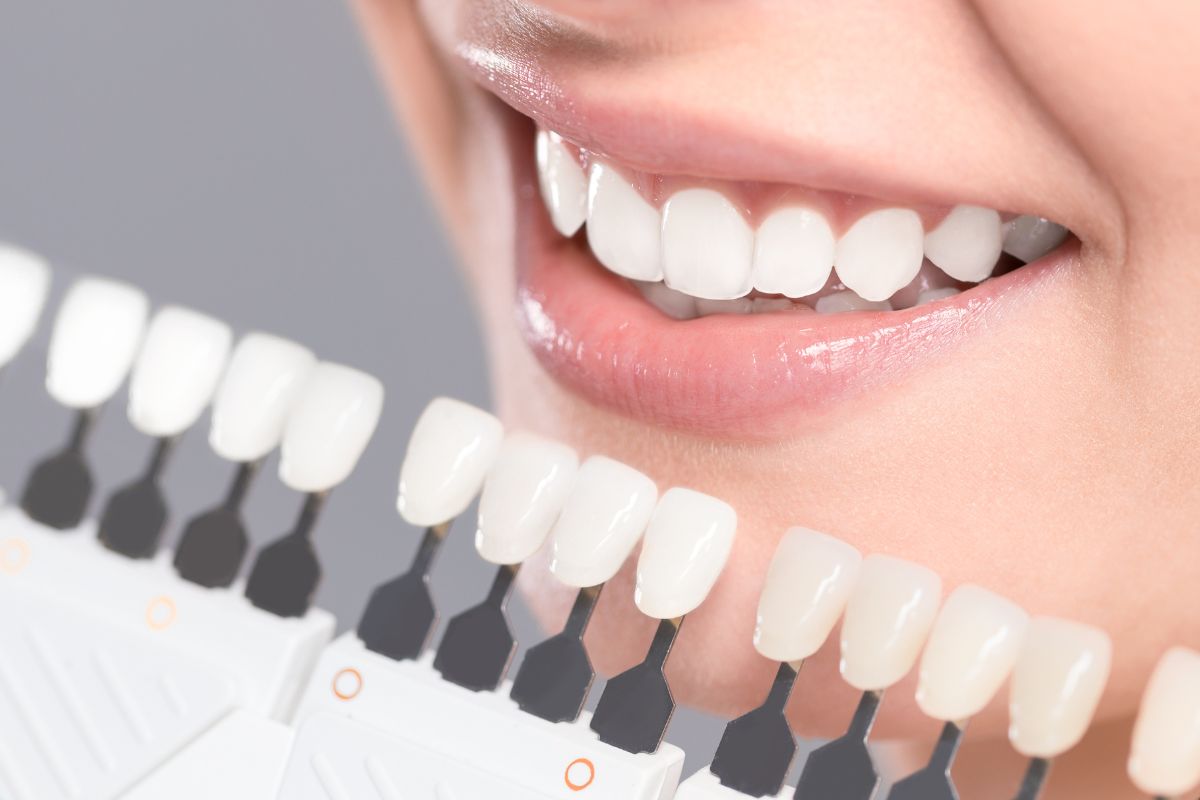
Dental crowns are a popular and effective solution for restoring damaged or weakened teeth. Whether you’re dealing with decay, cracks, or aesthetic concerns, choosing the right dental crown is crucial to both the function and appearance of your smile. In this guide, we’ll walk you through the different types of dental crowns available and help you determine which one is best suited for your needs.
What Are Dental Crowns?
Dental crowns are tooth-shaped caps placed over damaged teeth to restore their shape, size, and strength. They also improve the tooth’s appearance, helping it blend seamlessly with the rest of your smile. Depending on the materials used, dental crowns can offer different benefits, from enhanced durability to a more natural look.
Types of Dental Crowns
There are several types of dental crowns to choose from, each offering unique advantages. Here are the most common options:
1. Porcelain Crowns
Porcelain crowns are a popular choice due to their natural appearance. These crowns are made to match the color and translucency of natural teeth, making them ideal for visible areas, like the front teeth. Porcelain is also biocompatible, meaning it’s unlikely to cause allergic reactions.
Advantages:
- Highly aesthetic, blends well with natural teeth.
- Ideal for front teeth and visible areas.
- Resistant to staining.
2. Metal Crowns
Metal crowns are made from gold, platinum, or other metal alloys. While they may not offer the same aesthetic appeal as porcelain crowns, they are incredibly durable and can withstand heavy biting forces.
Advantages:
- Extremely durable and long-lasting.
- Requires less tooth reduction during placement.
- Less prone to chipping or wear.
3. Porcelain-Fused-to-Metal Crowns (PFM)
These crowns combine the strength of metal with the natural appearance of porcelain. The metal base provides durability, while the porcelain layer ensures the crown looks natural.
Advantages:
- Strong and durable.
- Offers a more natural look than full metal crowns.
- Suitable for both front and back teeth.
4. Zirconia Crowns
Zirconia crowns are made from a strong ceramic material that is both durable and aesthetically pleasing. These crowns are ideal for patients who need a combination of strength and appearance.
Advantages:
- Strong and resistant to wear.
- Offers a natural appearance.
- More biocompatible than metal crowns.
5. Resin Crowns
Resin crowns are a more affordable option, made from a composite material that mimics the appearance of natural teeth. However, they are not as durable as other types of crowns.
Advantages:
- Affordable option.
- Provides a natural appearance.
- Easy to adjust.
How to Choose the Right Crown for You
Choosing the best type of dental crown depends on several factors, including the location of the tooth, your budget, and your aesthetic preferences. Here are some considerations to help guide your decision:
- Front Teeth: If the crown is for a visible tooth, a porcelain or zirconia crown is ideal because they blend seamlessly with natural teeth.
- Back Teeth: For molars or other teeth that need to withstand heavy chewing, metal or porcelain-fused-to-metal crowns offer better durability.
- Budget: Resin crowns tend to be the most affordable, but they may not be as long-lasting as other options.
Conclusion
When choosing from the different types of dental crowns, it’s important to consider your specific needs, whether that’s strength, appearance, or affordability. Consulting with a dentist can help determine the best option for your situation. If you’re ready to restore your smile with a dental crown, your dentist will guide you through the process, ensuring that you get the best treatment possible.
By understanding the different types of dental crowns, you can make an informed decision and achieve the optimal result for your dental health.
Related Articles
New Patients & Emergency Appointments Welcome!