


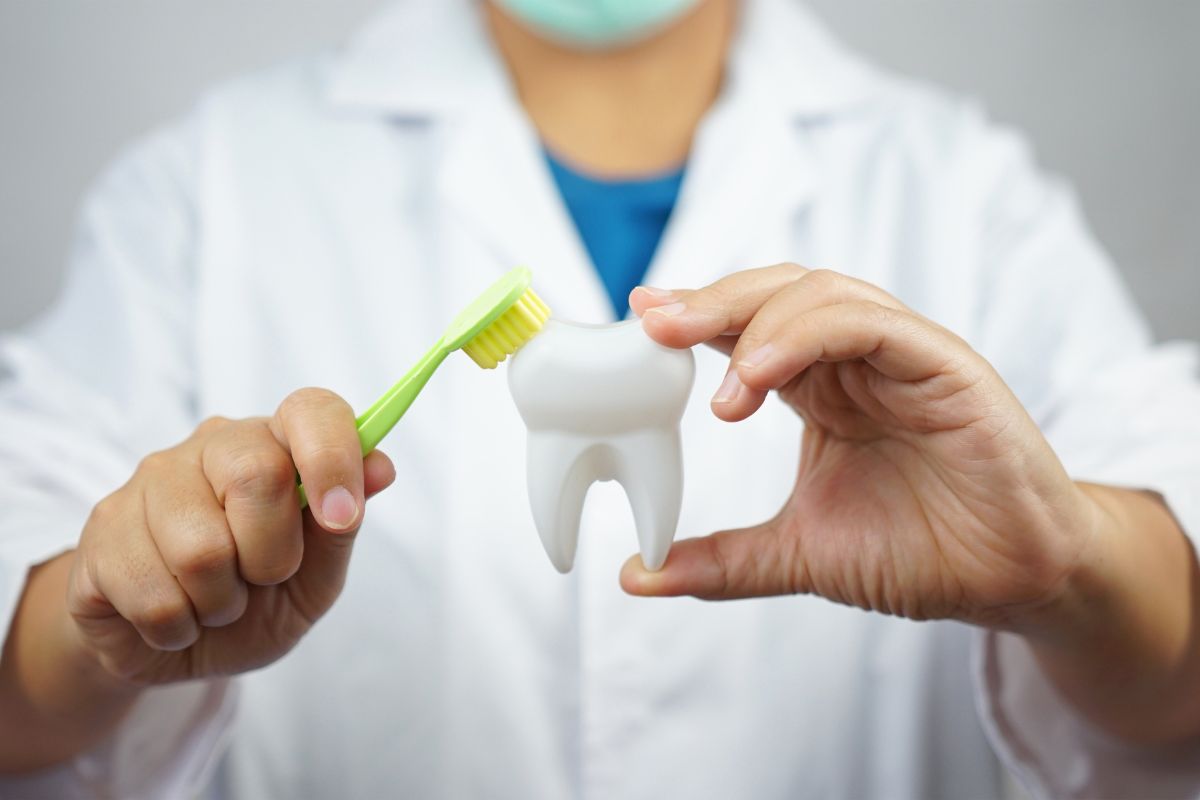
We often see oral health as a minor part of our overall well-being, limited to a bright smile or fresh breath. But the reality is far more serious. Neglecting your teeth and gums isn’t just about the occasional cavity or bad breath; it’s a gateway to a host of systemic health problems that can affect your heart, brain, and even your ability to manage chronic diseases. This blog post will delve into the hidden dangers of poor oral hygiene, revealing why your mouth is a mirror of your overall health.
The Oral-Systemic Link: A Two-Way Street
The connection between your mouth and body is often referred to as the “oral-systemic link.” Your mouth is teeming with bacteria, both good and bad. When you neglect brushing and flossing, plaque builds up, leading to gum disease (gingivitis). If left untreated, this can progress to periodontitis, a severe infection where the gums pull away from the teeth, creating pockets that become breeding grounds for harmful bacteria.
The problem doesn’t stop in your mouth. The inflammation and bacteria from periodontitis can enter your bloodstream, traveling to other parts of your body. Think of your gums as a large, open wound; anything in that wound can easily find its way into your circulation. This is why poor oral health is not just a dental issue but a significant public health concern.
Beyond the Cavity: Major Health Risks Associated with Poor Oral Health
1. Cardiovascular Disease: A Silent Threat
Perhaps the most well-documented link is between gum disease and heart health. The inflammation caused by periodontitis can lead to a cascade of events that harm your cardiovascular system. Bacteria from infected gums can enter the bloodstream and attach to fatty plaques in your arteries, a process known as atherosclerosis. This narrows the arteries, increasing the risk of heart attacks and strokes. If you’re looking for a reliable dentist in Blanco to help you maintain your heart health, our practice is ready to assist. Studies have shown that people with severe gum disease are at a higher risk of developing cardiovascular disease than those with healthy gums.
2. Diabetes: A Vicious Cycle
The relationship between gum disease and diabetes is a classic example of a vicious cycle. People with diabetes are more susceptible to infections, including gum disease. At the same time, severe gum disease can make it more difficult to control blood sugar levels. The chronic inflammation from periodontitis can increase insulin resistance, making it harder for the body to use insulin effectively. This two-way relationship means that managing oral health is crucial to managing diabetes.
3. Respiratory Infections: Breathing in Danger
The bacteria from your mouth can also be a source of respiratory problems. When you breathe, you can inhale bacteria from your mouth and throat into your lungs. This can lead to respiratory infections such as pneumonia, especially in individuals with compromised immune systems or the elderly. A healthy mouth, therefore, contributes to healthy lungs.
4. Cognitive Decline and Dementia
Recent research has highlighted a potential link between poor oral health and cognitive decline, including Alzheimer’s disease. Gum disease, inflammation, and bacteria entering the bloodstream may contribute to brain inflammation. Some studies have even found traces of oral bacteria in the brains of individuals with Alzheimer’s, suggesting a direct connection. While more research is needed, this link underscores the far-reaching impact of oral hygiene.
5. Pregnancy Complications
For expectant mothers, maintaining good oral health is particularly critical. Hormonal changes during pregnancy can increase a woman’s risk of developing gum disease, which, in turn, has been linked to adverse pregnancy outcomes such as premature birth and low birth weight. The inflammation and bacteria from periodontitis are thought to play a role in these complications.
The Simple Steps to Safeguard Your Health
The good news is that these risks are largely preventable. Your best defense is a consistent and effective oral hygiene routine.
- Brush Twice a Day: Use a soft-bristled brush and fluoride toothpaste. Brush for at least two minutes, covering all surfaces of your teeth and tongue.
- Floss Daily: Flossing removes plaque and food particles from between your teeth where your toothbrush can’t reach. It’s a non-negotiable step for preventing gum disease.
- Regular Dental Check-ups: Visit your dentist at least twice yearly for professional cleanings and check-ups. They can spot early signs of gum disease or other issues that you might miss. Visit our dental office and let our team provide the comprehensive care you need.
- Maintain a Healthy Diet: Limit sugary drinks and snacks, which contribute to tooth decay. A balanced diet rich in fruits, vegetables, and calcium helps strengthen your teeth.
Conclusion
Your mouth is more than just for smiling and eating; it’s a vital part of your body’s ecosystem. Neglecting your oral health is not a trivial oversight—it’s a gamble with your overall well-being. By understanding the deep connections between your mouth and body, you can take simple yet powerful steps to protect yourself from various serious health problems. Book an appointment with us today to start your journey toward a healthier smile.



New Patients & Emergency Appointments Welcome!