


Dry mouth, medically known as xerostomia, is more than just a minor annoyance; it’s a condition where your salivary glands don’t produce enough saliva to keep your mouth moist. While common, chronic dry mouth can significantly impact your comfort, speech, and, most importantly, your oral health.
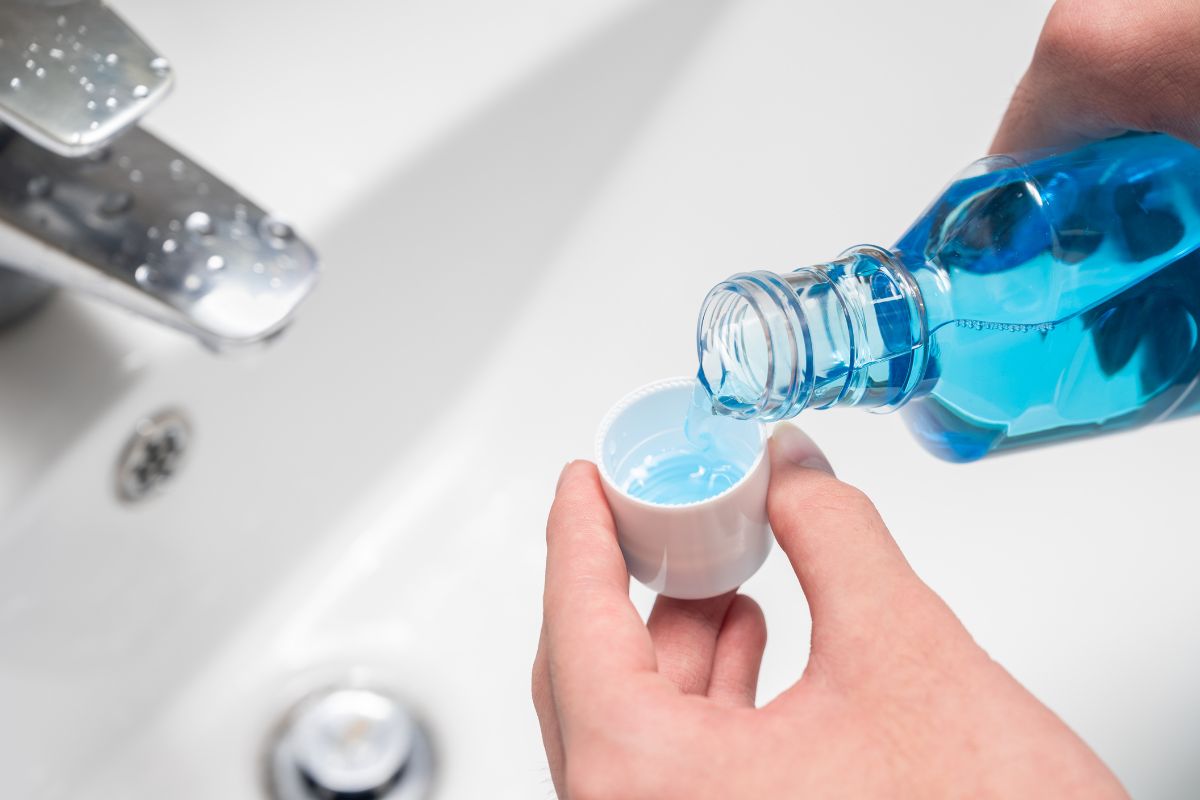
You might be wondering if reaching for a bottle of mouthwash is the quick fix you need. The short answer is: Yes, mouthwash can be good for dry mouth, but only if you choose the right kind. In fact, using the wrong type of mouthwash can make your symptoms much worse!
Understanding Dry Mouth (Xerostomia)
To properly address dry mouth, it helps to know what causes it and why saliva is so important.
The Role of Saliva in Oral Health
Saliva is your mouth’s natural defense mechanism. It’s crucial for:
- Neutralizing acids produced by bacteria prevents tooth decay and cavities.
- Washing away food particles and debris.
- Aiding in digestion, speaking, and swallowing.
- Protecting the soft tissues of your mouth from infection.
When you have dry mouth, this natural protection is compromised, making you highly susceptible to tooth decay, gum disease, and oral infections like thrush. If you are struggling with chronic symptoms, seeking help from a qualified dentist in Blanco is your first and most important step to protect your smile.
Common Causes of Dry Mouth
Dry mouth is often a side effect of an underlying issue, not a condition on its own. Major causes include:
- Medications: Hundreds of prescription and over-the-counter drugs, including antidepressants, antihistamines, decongestants, and blood pressure medicines, list dry mouth as a common side effect.
- Medical Conditions: Conditions like Sjögren’s syndrome, diabetes, and nerve damage can affect saliva production.
- Cancer Treatment: Chemotherapy and radiation to the head and neck can severely damage salivary glands.
- Lifestyle Factors: Smoking or chewing tobacco and consistently breathing through your mouth can contribute to dryness.
The Mouthwash Mistake: Ingredients to AVOID
Here is the most critical information you need: Many standard mouthwashes contain ingredients that will exacerbate dry mouth.
Alcohol: The Biggest Offender
Most conventional mouthwashes use alcohol as an active ingredient or preservative. While it provides an initial “fresh” sensation, alcohol is a potent drying agent. For someone with xerostomia, using an alcohol-based rinse will temporarily mask bad breath but ultimately irritate and further dry out the mouth’s delicate tissues, making the feeling of dryness worse in the long run.
Other Drying and Irritating Ingredients
When scanning the ingredient list, you should also be wary of: strong, harsh flavors like intense mint, which can cause a burning sensation; detergents like Sodium Lauryl Sulfate (SLS), which can irritate a dry mouth prone to canker sores; and artificial sweeteners and dyes that offer no therapeutic benefit.
The Right Choice: Mouthwashes for Dry Mouth Relief
Fortunately, a specific category of therapeutic oral rinses is designed to provide relief and protection for dry mouth sufferers. Look for products explicitly marketed as “Dry Mouth Oral Rinse” or “Saliva Substitute.”
Essential Ingredients to LOOK FOR
The best mouthwashes for dry mouth focus on lubricating, moisturizing, and protecting your teeth. Seek out formulas that contain:
- Glycerin: This is a vital humectant, meaning it attracts and retains moisture, providing essential lubrication and comfort to dry tissues.
- Xylitol: This natural sweetener helps stimulate saliva flow and is proven to reduce the bacteria that cause cavities—a major risk for dry mouth sufferers.
- Fluoride: This is crucial for re-mineralizing enamel and protecting teeth from the aggressive decay that results from a lack of saliva.
- Carboxymethylcellulose or Hydroxyethyl Cellulose: These are thickening agents that mimic the viscous, lubricating consistency of natural saliva, offering long-lasting relief.
- Enzymes: Ingredients like Lactoferrin or Lysozyme can be included in some formulas to support the mouth’s natural defense system and improve moisture.
How to Use Dry Mouth Rinse
For best results, rinse with an alcohol-free, dry-mouth-specific formula up to 5 times a day or whenever your mouth feels uncomfortably dry, following the product’s directions. Using it before bedtime is particularly important, as dry mouth often worsens overnight. If you’d like to discuss the best treatment options for your specific case, please visit our dental office for a personalized consultation.
Beyond Mouthwash: Comprehensive Dry Mouth Management
Mouthwash is a helpful tool, but managing xerostomia requires a holistic approach.
- Hydrate Constantly: Sip plain water throughout the day.
- Stimulate Saliva: Chew sugar-free gum or suck on sugar-free hard candies (especially those with Xylitol).
- Use a Humidifier: Add moisture to the air, particularly in your bedroom at night.
- Avoid Triggers: Limit or eliminate alcohol, caffeine, and tobacco, as these are all dehydrating.
- Professional Care: Consult your dentist or doctor. They may be able to adjust medications, recommend prescription saliva stimulants (like pilocarpine), or suggest professional-strength fluoride treatments to protect your teeth.
In conclusion, ditch the conventional, alcohol-laden mouthwash. The right, alcohol-free, moisturizing mouthwash is an excellent component of a comprehensive strategy to manage dry mouth, providing immediate comfort and essential oral health protection. Don’t let chronic dryness compromise your oral health—call our office today to book an appointment and get the relief you deserve.



New Patients & Emergency Appointments Welcome!