


Braces are a common orthodontic treatment to straighten teeth, correct bite issues, and improve oral health. If you’re considering getting braces—or already have them—one of the most frequent questions you might ask is: “How often do braces get adjusted?” Understanding the adjustment schedule, why it matters, and what to expect can help you feel more confident and prepared during your orthodontic journey.
What Is a Braces Adjustment?
When you get braces, the orthodontist uses brackets, wires, and sometimes rubber bands to apply continuous pressure to your teeth. Over time, this pressure slowly shifts your teeth into the desired position. However, this process doesn’t happen overnight—and it doesn’t happen all on its own, either.
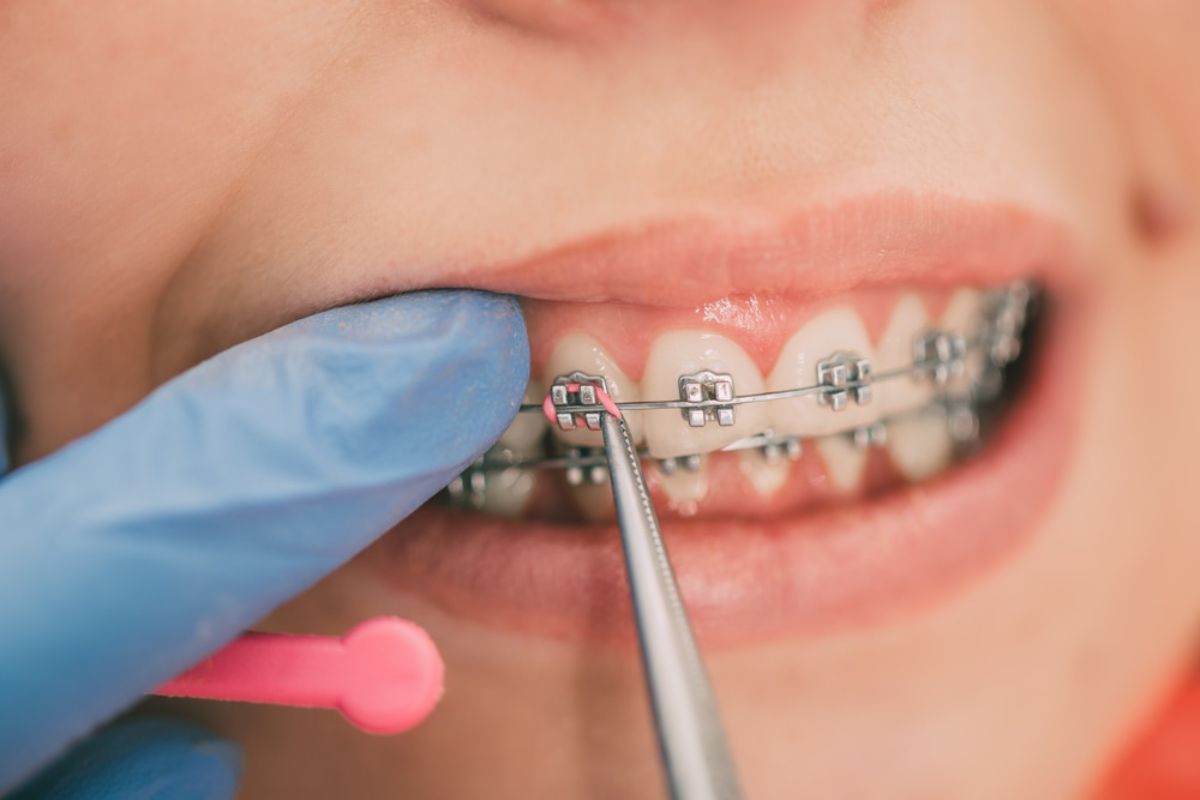
Braces need regular adjustments to maintain pressure and ensure your teeth move correctly. During an adjustment, the orthodontist may tighten the wires, replace elastic bands, or make small tweaks to the setup to keep your treatment on track.
How Often Are Adjustments Needed?
In most cases, braces are adjusted every 4 to 8 weeks. The exact frequency depends on your specific treatment plan, the complexity of your dental issues, and how your teeth respond to the braces.
Some people might need slightly more frequent visits, especially in the early stages, while others may stretch their appointments closer to 8 weeks apart as progress stabilizes.
If you’re looking for a trusted orthodontist in Blanco, choose one who will create a personalized treatment plan tailored to your specific needs.
Why Are Adjustments Important?
Skipping or delaying an adjustment appointment can slow your treatment and extend the time you need to wear braces. Regular adjustments serve several important purposes:
- Maintain proper pressure: Teeth only move when the correct force is applied consistently.
- Correct issues as they arise: Teeth don’t always move exactly as planned. Adjustments allow the orthodontist to address unexpected movement.
- Monitor oral health: These visits are also a time to check for signs of tooth decay, gum problems, or broken parts of the braces.
In short, adjustments are essential for keeping everything on track and ensuring you get the best results in the shortest time possible.
What Happens During an Adjustment Appointment?
Most adjustment appointments are quick and relatively painless, usually lasting around 20–30 minutes. Here’s what typically happens:
- Examination – Your orthodontist will first check your teeth and braces to see how well your teeth are moving.
- Wire changes – The wires may be tightened, replaced, or re-threaded through the brackets.
- Elastics or bands – If your braces use rubber bands or other components, these may be swapped out or repositioned.
- Progress update – Your orthodontist will give you feedback and possibly update your treatment timeline based on the progress.
While you might feel discomfort or tightness for a few days after an adjustment, this is normal and a sign that the braces are doing their job.
Managing Discomfort After Adjustments
It’s common to experience mild soreness after an adjustment. This usually lasts for a few days and can be managed with:
- Over-the-counter pain relievers like ibuprofen
- Eating soft foods like soup, mashed potatoes, or smoothies
- Using orthodontic wax if wires cause irritation
If the discomfort becomes severe or lasts longer than a few days, visit our dental office for a quick checkup.
What If You Miss an Adjustment?
Missing an appointment now and then isn’t the end of the world, but it can slow your progress. If you miss an adjustment, reschedule as soon as possible. Delays can cause unnecessary setbacks and extend your total treatment time. Staying on schedule helps ensure you reach your smile goals faster.
Life After Braces: Retainers and Beyond
Adjustments are no longer needed once your braces come off, but your orthodontic journey isn’t over just yet. You’ll likely be fitted for a retainer, which helps keep your teeth in their new position. Your orthodontist will schedule follow-up visits to ensure the retainer fits well and your results stay intact.
Final Thoughts
Getting braces is a commitment, and regular adjustments are key to that process. Most people need adjustments every 4 to 8 weeks, but your schedule may vary based on your progress and unique treatment plan. By staying on top of your appointments and following your orthodontist’s guidance, you’ll be on your way to a healthier, straighter smile in no time.
If you’re ready to take the next step, don’t wait—book an appointment with a trusted orthodontist to discuss your options and begin your journey toward a confident smile.


New Patients & Emergency Appointments Welcome!