


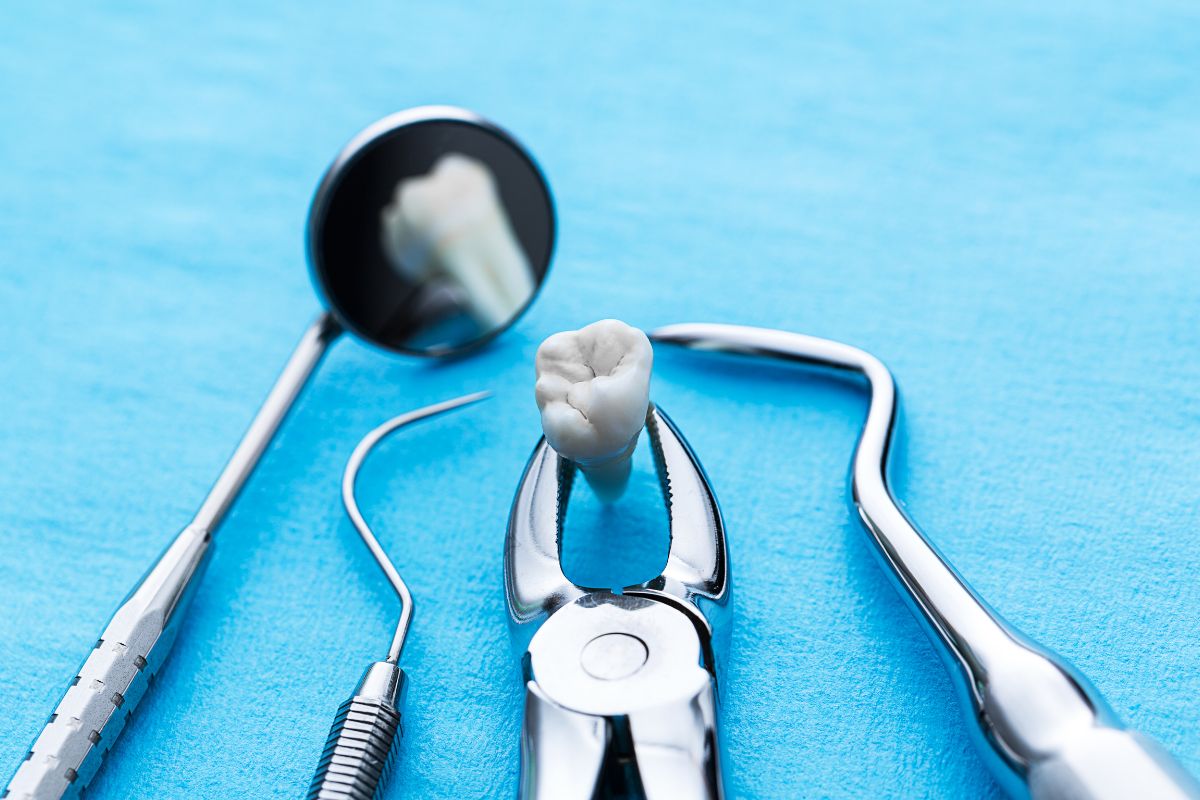
Tooth extraction is a common dental procedure performed by a dentist to remove a damaged or problematic tooth. While most extractions heal smoothly, some patients experience a painful condition called dry socket. Understanding what dry socket is, its causes, symptoms, and ways to prevent it can help ensure a smooth recovery.
What Is Dry Socket?
Dry socket, or alveolar osteitis, is a painful complication that can occur after a tooth extraction. Normally, a blood clot forms in the empty socket to protect the underlying bone and nerves. However, in some cases, this clot becomes dislodged or dissolves too quickly, leaving the area exposed. This can lead to intense pain and delayed healing.
Causes of Dry Socket
Several factors can contribute to dry socket, including:
- Smoking and Tobacco Use – Chemicals in tobacco can disrupt clot formation and increase the risk of infection.
- Poor Oral Hygiene – Not keeping the extraction site clean can lead to bacterial contamination.
- Using a Straw – The suction motion can dislodge the clot from the socket.
- Spitting or Rinsing Forcefully – Excessive rinsing or spitting after a tooth extraction can remove the protective blood clot.
- Certain Medications – Some drugs, such as oral contraceptives, can affect blood clotting and slow healing.
- History of Dry Socket – If someone has experienced dry socket before, they are more likely to develop it again.
Symptoms of Dry Socket
Dry socket usually develops within a few days after a tooth extraction. Symptoms may include:
- Severe pain that radiates from the extraction site to the ear, jaw, or temple
- An empty socket where the tooth was removed, with exposed bone
- Bad breath or an unpleasant taste in the mouth
- Swollen lymph nodes and mild fever in some cases
How to Prevent Dry Socket
Taking proper precautions after a tooth extraction can significantly reduce the risk of a dry socket. Here are some key prevention tips:
Follow Your Dentist’s Instructions
Your dentist will provide aftercare guidelines to help with healing. Follow these instructions carefully to avoid complications.
Avoid Smoking and Tobacco Products
Refrain from smoking or using tobacco for at least 48 hours after the extraction. Ideally, quitting smoking can improve overall oral health.
Be Gentle With Oral Hygiene
- Brush and floss carefully, avoiding the extraction site for the first few days.
- Rinse with warm salt water or an antiseptic mouthwash as recommended by your dentist.
Avoid Straws and Forceful Spitting
- Do not use a straw to drink liquids.
- Avoid spitting forcefully, as this can dislodge the clot.
Eat Soft Foods
- Stick to soft foods like yogurt, mashed potatoes, and soup for the first few days.
- Avoid crunchy, sticky, or spicy foods that may irritate the extraction site.
Use Pain Relievers as Needed
Over-the-counter pain relievers such as ibuprofen can help manage mild discomfort. If the pain worsens, consult your dentist immediately.
Treatment for Dry Socket
If dry socket occurs, a dentist can provide effective treatment to relieve pain and promote healing. Treatment options may include:
- Cleaning the Socket – The dentist may flush out the socket to remove debris and bacteria.
- Medicated Dressing – A special dressing containing pain-relieving medication may be placed in the socket.
- Pain Management – Prescription pain relievers may be provided for severe discomfort.
- Antibiotics – If an infection develops, antibiotics may be prescribed.
When to See a Dentist
If you experience severe pain, bad breath, or visible bone exposure after a tooth extraction, schedule an appointment with your dentist immediately. Prompt treatment can prevent further complications and speed up the healing process.
Dry socket is a painful but preventable condition that can occur after a tooth extraction. By following proper aftercare guidelines, avoiding risk factors, and seeking timely treatment if symptoms arise, you can ensure a smoother recovery. If you suspect dry socket, contact your dentist right away for professional care and pain relief.


New Patients & Emergency Appointments Welcome!