



When considering dental implants, one question many people ask is whether they need bone grafting before the procedure. Bone grafting before a dental implant treatment is sometimes necessary to ensure there is enough healthy bone to support the implant. Understanding why this may be required, who needs it, and what the process involves can help you make informed decisions about your dental care.
What Is Bone Grafting?
Bone grafting is a surgical procedure in which bone or bone-like material is added to the jaw to help rebuild or restore lost bone tissue. This procedure is typically done when a patient does not have enough bone in their jaw to support a dental implant. The jawbone can deteriorate over time due to tooth loss, injury, or other factors, making bone grafting essential for some individuals.
Why Is Bone Grafting Needed Before Dental Implant Treatment?
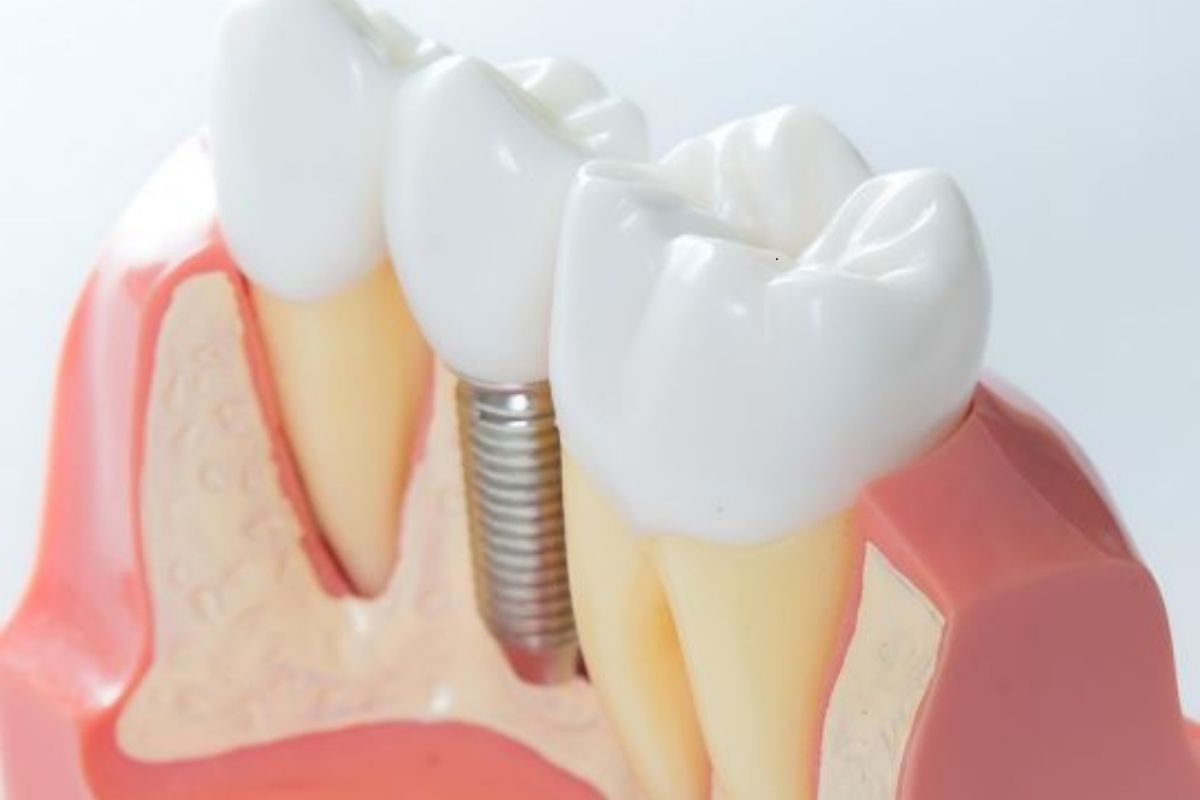
The primary goal of dental implants is to replace missing teeth by inserting titanium posts into the jawbone. For this to be successful, the bone needs to be strong and healthy enough to support these posts. If the bone has shrunk or weakened due to tooth loss or other conditions, it may not provide a stable foundation for the implant. In such cases, bone grafting before a dental implant treatment becomes crucial.
Who Needs Bone Grafting Before Dental Implant Treatment?
Not everyone will need bone grafting before getting dental implants. However, there are certain situations where it may be required:
- Tooth Loss Over a Long Period: If you’ve been without a tooth for a long time, the jawbone may have resorbed, leading to insufficient bone for the implant.
- Injury or Trauma: Accidents or injuries that affect the jawbone can result in bone loss, which may necessitate bone grafting.
- Gum Disease: Advanced gum disease can cause bone loss around teeth, making bone grafting essential for successful implants.
- Sinus Issues: For upper jaw implants, if the sinus cavity is too close to the jawbone, a sinus lift may be needed along with bone grafting.
- Congenital Defects: Some people are born with bone structure issues that may require grafting to ensure a solid foundation for implants.
Types of Bone Grafting
There are different types of bone grafting techniques that can be used, depending on the amount of bone loss and the location:
- Autografts: Bone taken from your own body, usually from another area of the jaw, chin, or hip.
- Allografts: Bone sourced from a donor, typically from a tissue bank.
- Xenografts: Bone from animals, often cows, that is processed and sterilized for human use.
- Alloplasts: Synthetic bone substitutes that mimic natural bone.
The Bone Grafting Procedure
The procedure for bone grafting is relatively straightforward. Here’s an overview of what to expect:
- Consultation and Evaluation: Your dentist or oral surgeon will examine your jawbone through X-rays or CT scans to assess the level of bone loss and determine if grafting is necessary.
- Preparation: If bone grafting is needed, the surgeon will prepare the area and ensure you are comfortable with local anesthesia or sedation.
- Surgical Process: The grafting material is placed into the area where the bone is missing, and the gums are sutured.
- Healing Period: Bone grafting takes several months to heal, during which the new bone integrates with the existing bone.
- Dental Implant Placement: Once the grafted bone has healed, the dental implant can be placed.
Benefits of Bone Grafting Before a Dental Implant
Opting for bone grafting before a dental implant has several benefits, including:
- Better Implant Stability: A solid foundation increases the chances of a successful implant.
- Improved Aesthetic Outcomes: Proper bone support can lead to more natural-looking results.
- Long-Term Success: Bone grafting helps prevent further bone loss and promotes long-term health.
Risks and Considerations
While bone grafting is generally safe, it comes with certain risks, such as:
- Infection
- Graft failure
- Swelling and discomfort
However, these risks are relatively rare, and your dentist will guide you through the process to minimize complications.
Conclusion
Bone grafting before a dental implant treatment is not always necessary, but it can be essential for those with insufficient bone density. The procedure helps ensure that dental implants have a strong foundation, leading to better results and long-term success. If you’re considering dental implants and have concerns about bone loss, book an appointment with your dentist to determine whether bone grafting is the right option for you.

New Patients & Emergency Appointments Welcome!