


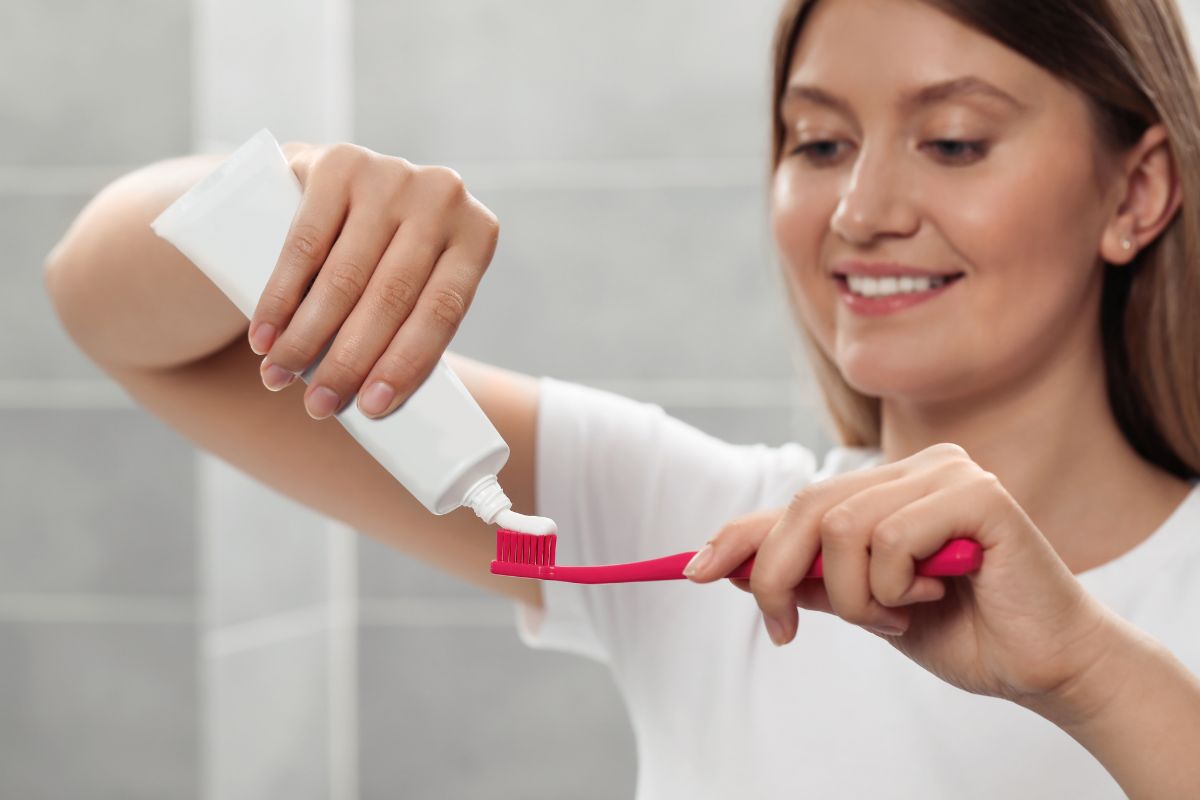
A bright, white smile is something many people want, and whitening toothpaste has become one of the most popular products for improving the appearance of teeth at home. These toothpastes promise to remove stains, brighten smiles, and help people maintain a cleaner-looking appearance without expensive procedures.
But as more people incorporate whitening toothpaste into their daily oral hygiene routine, an important question arises: Does whitening toothpaste harm teeth?
The short answer is that most whitening toothpastes are safe when used as directed. However, excessive use, improper product selection, or existing dental conditions can sometimes lead to unwanted side effects. Understanding how whitening toothpaste works can help you make informed decisions about your oral health and protect your smile.
How Does Whitening Toothpaste Work?
Unlike professional teeth whitening treatment options performed by a dentist, whitening toothpaste primarily works by removing surface stains rather than changing the natural color of your teeth.
Most whitening toothpastes contain mild abrasives designed to polish away stains caused by:
- Coffee
- Tea
- Red wine
- Tobacco use
- Certain foods and beverages
Some products also contain small amounts of whitening agents such as hydrogen peroxide or carbamide peroxide to enhance stain removal and provide mild whitening effects.
Because whitening toothpaste focuses mainly on surface discoloration, the results are generally more subtle than those of professional teeth whitening procedures.
Is Whitening Toothpaste Safe for Daily Use?
For most healthy adults, whitening toothpaste is safe for everyday use when approved by reputable dental organizations and used as directed by the manufacturer.
Many whitening toothpastes are specifically formulated for regular brushing and are tested to ensure they do not excessively wear down tooth enamel when used properly.
However, “safe” does not necessarily mean “risk-free.” Certain individuals may experience side effects, especially if they:
- Brush too aggressively
- Use highly abrasive whitening products
- Already have sensitive teeth
- Have enamel erosion
- Have untreated dental problems
This is why it’s always beneficial to discuss your whitening goals with a dental professional before starting any long-term whitening regimen.
Potential Risks of Daily Whitening Toothpaste Use
Increased Tooth Sensitivity
One of the most common side effects associated with whitening products is tooth sensitivity.
Some whitening ingredients can temporarily make teeth more sensitive to:
- Hot drinks
- Cold foods
- Sweet foods
- Air exposure
If you notice discomfort after switching to a whitening toothpaste, the product may be irritating exposed dentin or affecting sensitive areas of your teeth.
In many cases, sensitivity improves after reducing use or switching to a gentler formula.
Enamel Wear
Tooth enamel is the hard outer layer that protects your teeth from decay and damage.
Many whitening toothpastes rely on abrasive ingredients to scrub away stains. While these abrasives are generally safe when used appropriately, excessive abrasion over time can contribute to enamel wear.
Signs of enamel erosion may include:
- Increased tooth sensitivity
- Yellowing teeth
- Rough tooth surfaces
- Greater risk of cavities
Once enamel is lost, it cannot naturally regenerate. This makes protecting enamel one of the most important aspects of long-term dental care.
Gum Irritation
Certain whitening ingredients may irritate the gums, particularly in individuals with sensitive oral tissues.
You may notice:
- Redness
- Mild burning sensations
- Gum tenderness
These symptoms often occur when whitening products are overused or when the brushing technique is too aggressive.
Uneven Whitening Results
Whitening toothpaste only removes surface stains and may not whiten all areas of the mouth equally.
Additionally, whitening toothpaste will not change the color of:
- Dental crowns
- Veneers
- Fillings
- Bonding materials
This can sometimes create uneven coloration if restorations are present.
Who Should Be Cautious with Whitening Toothpaste?
Although many people can safely use whitening toothpaste daily, some individuals should exercise extra caution.
People with Sensitive Teeth
If you already experience discomfort when eating or drinking hot and cold foods, whitening toothpaste may worsen sensitivity.
Your dentist can recommend products specifically formulated for sensitive teeth.
Individuals with Enamel Erosion
People who have worn or weakened enamel should be especially careful with abrasive whitening products.
A professional evaluation can help determine whether whitening toothpaste is appropriate for your situation.
Patients with Gum Recession
When gums recede, the roots of teeth become exposed. Root surfaces are softer than enamel and can be more vulnerable to abrasion and sensitivity.
Children and Teenagers
Children should only use whitening products under professional guidance. Developing teeth may react differently to whitening ingredients, making professional recommendations especially important.
How to Use Whitening Toothpaste Safely
If you enjoy using whitening toothpaste and want to maintain a brighter smile without damaging your teeth, consider the following tips.
Choose Dentist-Recommended Products
Look for products that have been evaluated for safety and effectiveness. Avoid highly abrasive products that promise unrealistic results.
Brush Gently
Brushing harder does not make teeth whiter.
Use a soft-bristled toothbrush and gentle circular motions to clean teeth effectively while protecting enamel and gums.
Follow Product Instructions
Always use whitening toothpaste according to the manufacturer’s recommendations. More frequent brushing will not necessarily produce better whitening results.
Monitor Sensitivity
If you develop persistent sensitivity, discontinue use and consult your dentist.
Maintain Regular Dental Visits
Routine dental exams allow your dentist to identify early signs of enamel wear, gum recession, or other issues before they become serious.
Whitening Toothpaste vs. Professional Teeth Whitening
Many patients wonder whether whitening toothpaste can provide the same results as professional teeth whitening treatment.
The reality is that the two options work differently.
Whitening Toothpaste
Benefits include:
- Convenient daily use
- Affordable
- Helps remove surface stains
- Easy to incorporate into oral hygiene routines
Limitations include:
- Modest whitening results
- Cannot significantly alter tooth color
- Results take longer to appear
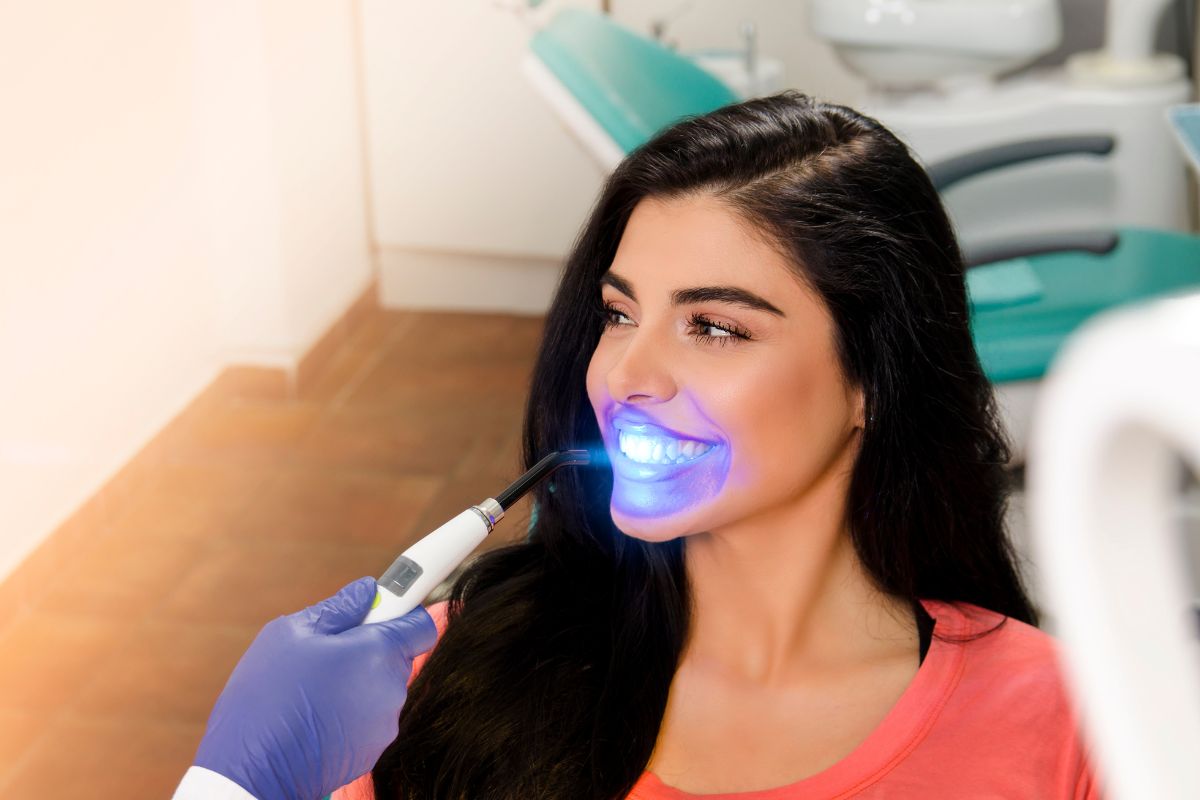
Professional Teeth Whitening Treatment
Benefits include:
- More dramatic whitening
- Faster results
- Customized treatment plans
- Professional supervision
- Greater effectiveness for deeper stains
For patients seeking noticeable improvements, professional teeth whitening treatment often provides better and longer-lasting outcomes than whitening toothpaste alone.
Tips for Maintaining a White Smile Naturally
Whether you use whitening toothpaste or not, certain habits can help keep your smile brighter.
Limit Stain-Causing Foods and Drinks
Reduce consumption of:
- Coffee
- Tea
- Red wine
- Dark sodas
- Highly pigmented foods
Drink Water Frequently
Water helps rinse away food particles and staining substances throughout the day.
Use a Straw When Appropriate
Using a straw for dark-colored beverages may reduce contact with your front teeth.
Avoid Tobacco Products
Smoking and tobacco use are among the leading causes of stubborn tooth staining.
Maintain Consistent Dental Care
Brushing, flossing, and professional cleanings remain the foundation of a healthy and attractive smile.
When Should You See a Dentist?
If you’re concerned about discoloration, sensitivity, or the use of whitening products, scheduling a dental evaluation is a smart decision.
A dentist can determine:
- The cause of tooth discoloration
- Whether whitening toothpaste is appropriate
- If enamel damage is present
- Which whitening options are safest and most effective
Professional guidance helps ensure you achieve a brighter smile while protecting your long-term oral health.
Frequently Asked Questions
1. Can whitening toothpaste damage enamel?
Most whitening toothpastes are safe when used as directed. However, highly abrasive products or excessive use may contribute to enamel wear over time.
2. How often should I use whitening toothpaste?
Many whitening toothpastes are designed for daily use. Follow the product instructions and consult your dentist if you experience sensitivity.
3. Why are my teeth sensitive after using whitening toothpaste?
Sensitivity may occur due to whitening ingredients or abrasives that temporarily affect the tooth surface. If symptoms persist, consult your dentist.
4. Does whitening toothpaste work on deep stains?
Whitening toothpaste primarily removes surface stains. Deep discoloration often requires professional teeth whitening treatment for more noticeable results.
5. Is professional teeth whitening better than whitening toothpaste?
Professional teeth whitening generally produces faster, more dramatic, and longer-lasting results compared to whitening toothpaste.
Achieve a Brighter Smile with Professional Guidance
Whitening toothpaste can be a safe and effective way to maintain a brighter smile when used correctly. However, daily use may not be ideal for everyone, especially those with sensitive teeth, enamel erosion, or existing dental concerns.
If you’re looking for safe, effective teeth whitening solutions or have questions about protecting your smile, the experienced team at Blanco Dental Center & Orthodontics is here to help. We provide personalized dental care and can recommend the best whitening options for your unique needs.
Ready to enhance your smile safely? Visit our dental office today to learn more about professional teeth whitening treatment options. Contact Blanco Dental Center & Orthodontics and book an appointment to take the next step toward a healthier, brighter smile.
New Patients & Emergency Appointments Welcome!