



Bad breath, medically known as halitosis, is a common condition that can make anyone feel self-conscious. Fortunately, it’s often easy to manage with the right oral hygiene habits and professional care. Whether it’s a temporary issue after eating certain foods or a more persistent problem, understanding the cause is the first step to finding the right solution.
1. Why Does Bad Breath Happen?
Most cases of bad breath start in the mouth. Here are some of the most frequent causes your Blanco dentist will look for:
- Poor oral hygiene: When brushing and flossing are neglected, food particles remain between teeth and on the tongue. Bacteria break these down, releasing foul-smelling gases.
- Dry mouth (xerostomia): Saliva plays a vital role in washing away debris and neutralizing acids. Reduced saliva flow — due to dehydration, medications, or mouth breathing — can lead to odor.
- Certain foods and drinks: Garlic, onions, coffee, and spicy foods can temporarily cause bad breath.
- Tobacco use: Smoking not only leaves a lingering odor but also contributes to gum disease and dry mouth.
- Gum disease or tooth decay: Infections, cavities, and plaque buildup all create environments where bacteria thrive.
- Medical conditions: Sometimes, systemic issues such as acid reflux, sinus infections, or diabetes can contribute to chronic halitosis.
2. When Bad Breath Signals a Bigger Problem
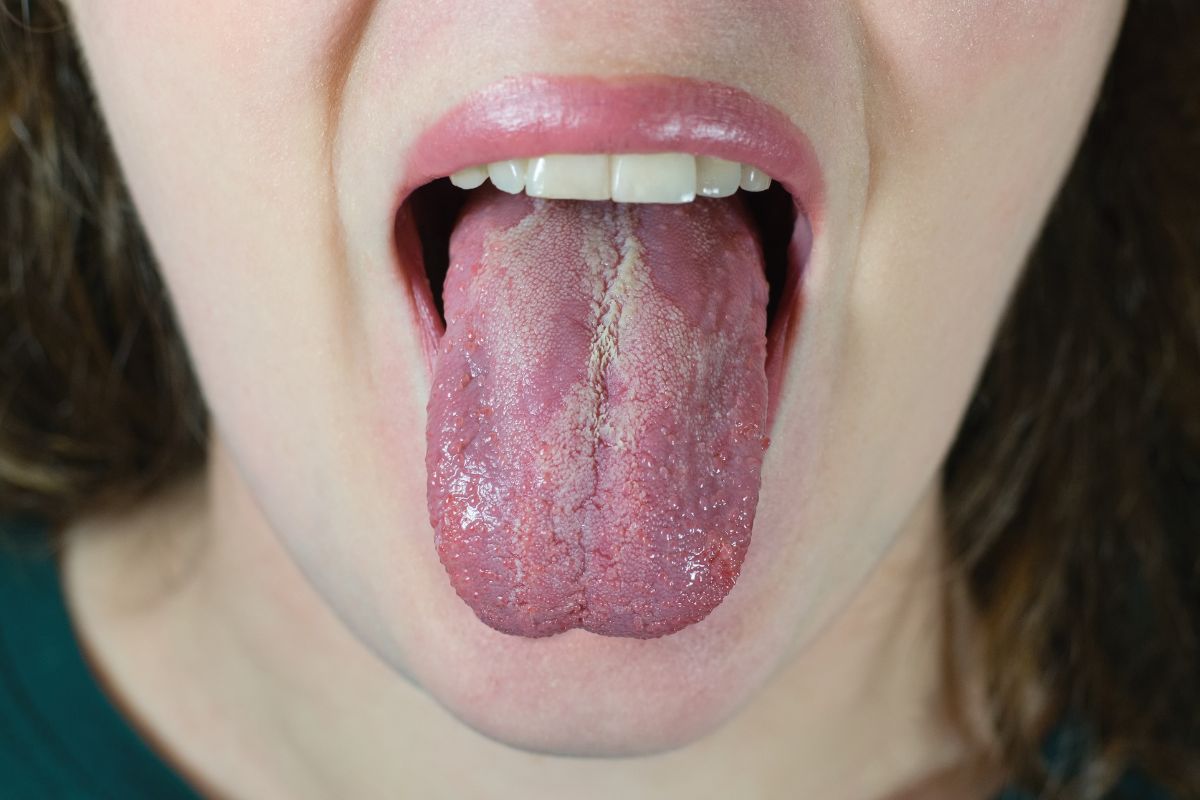
Occasional morning breath is normal, but persistent odor may indicate a deeper issue. If brushing, flossing, and mouthwash don’t help, or you notice symptoms like bleeding gums, dry mouth, or a coated tongue, it’s best to visit our dental office for a professional evaluation. Your dentist can determine whether gum disease, decay, or another health concern is the culprit.
3. Simple Ways to Prevent Bad Breath
Here are a few effective steps to keep your breath fresh and your mouth healthy:
Brush and floss regularly – Brush at least twice daily and floss once a day. Don’t forget to clean your tongue, where bacteria often hide.
Stay hydrated – Drinking water throughout the day keeps your mouth moist and washes away food particles and bacteria.
Watch what you eat and drink – Minimize strong-smelling foods and limit sugary snacks that feed bacteria.
Quit smoking – Tobacco dries the mouth and damages gum tissue, making it harder to maintain fresh breath.
Use mouthwash wisely – Choose an antibacterial mouthwash that neutralizes odor rather than simply masking it.
Keep up with regular dental visits – Professional cleanings remove plaque and tartar that brushing alone can’t reach.
4. When to See a Dentist
If you’ve tried improving your oral hygiene and your bad breath persists, it’s time to seek professional care. Your dentist can identify and treat the underlying cause — whether it’s gum disease, dry mouth, or another concern. Early diagnosis can prevent the issue from worsening and restore your confidence.
Don’t let chronic bad breath affect your daily life — book an appointment today for a thorough dental check-up and personalized treatment plan.
Final Thoughts
Bad breath is more common than you might think, but it doesn’t have to be permanent. With consistent oral care, a healthy diet, and routine dental visits, you can enjoy fresh breath and improved oral health every day. If you’re struggling with halitosis or other dental concerns, your trusted dentist is here to help you smile with confidence.


New Patients & Emergency Appointments Welcome!