


Dental implants are one of the most effective solutions for replacing missing teeth, offering a permanent and natural-looking alternative. But if you’ve experienced bone loss, you may wonder, “Can you get dental implants with bone loss?” The answer is yes, but the process might involve additional steps to ensure success.
In this guide, we’ll explore everything you need to know about getting dental implants when bone loss is a concern. From understanding the causes of bone loss to the available solutions, this article will provide a clear roadmap for your journey to a healthier smile.
What Is Bone Loss, and How Does It Affect Dental Implants?
Bone loss occurs when the jawbone deteriorates, often due to missing teeth, gum disease, or aging. The bone in your jaw plays a crucial role in supporting your teeth and maintaining facial structure. Without enough bone density, placing dental implants can become challenging, as they rely on a strong foundation for stability.
Causes of Bone Loss:
- Missing Teeth: When teeth are lost, the jawbone in the area no longer receives stimulation and begins to shrink.
- Gum Disease: Periodontal disease can lead to bone destruction over time.
- Aging: Natural aging processes may contribute to gradual bone loss.
- Trauma or Injury: Accidents that damage the jawbone can also result in bone loss.
Can You Still Get Dental Implants with Bone Loss?
Yes, you can get dental implants even if you have experienced bone loss. Modern dental technology offers several solutions to address this issue, ensuring that almost anyone can benefit from implants.
Solutions for Bone Loss:
- Bone Grafting:
- A common procedure where bone material is added to the jaw to rebuild lost bone.
- Can use bone from your body, a donor, or synthetic materials.
- Requires healing time before implants can be placed.
- Sinus Lift:
- For bone loss in the upper jaw, this procedure raises the sinus floor and adds bone material.
- Ideal for patients missing back teeth in the upper jaw.
- Zygomatic Implants:
- A specialized option for severe bone loss in the upper jaw.
- Anchored in the cheekbone, eliminating the need for bone grafting.
- All-on-4 Dental Implants:
- Uses strategic implant placement to maximize available bone.
- Often does not require bone grafting.
What Is the Process for Getting Dental Implants with Bone Loss?
The journey to dental implants involves several steps, especially if bone loss is present. Here’s an overview:
1. Consultation and Assessment
- A dentist or oral surgeon will evaluate your oral health, including bone density, using X-rays or 3D imaging.
- They will discuss your options and recommend the best approach.
2. Preparation
- If bone grafting or a sinus lift is needed, these procedures will be performed first.
- Healing can take several months, depending on the procedure.
3. Implant Placement
- Once the jaw is ready, the implants are surgically placed into the bone.
- The implants fuse with the bone during a process called osseointegration.
4. Abutment and Crown
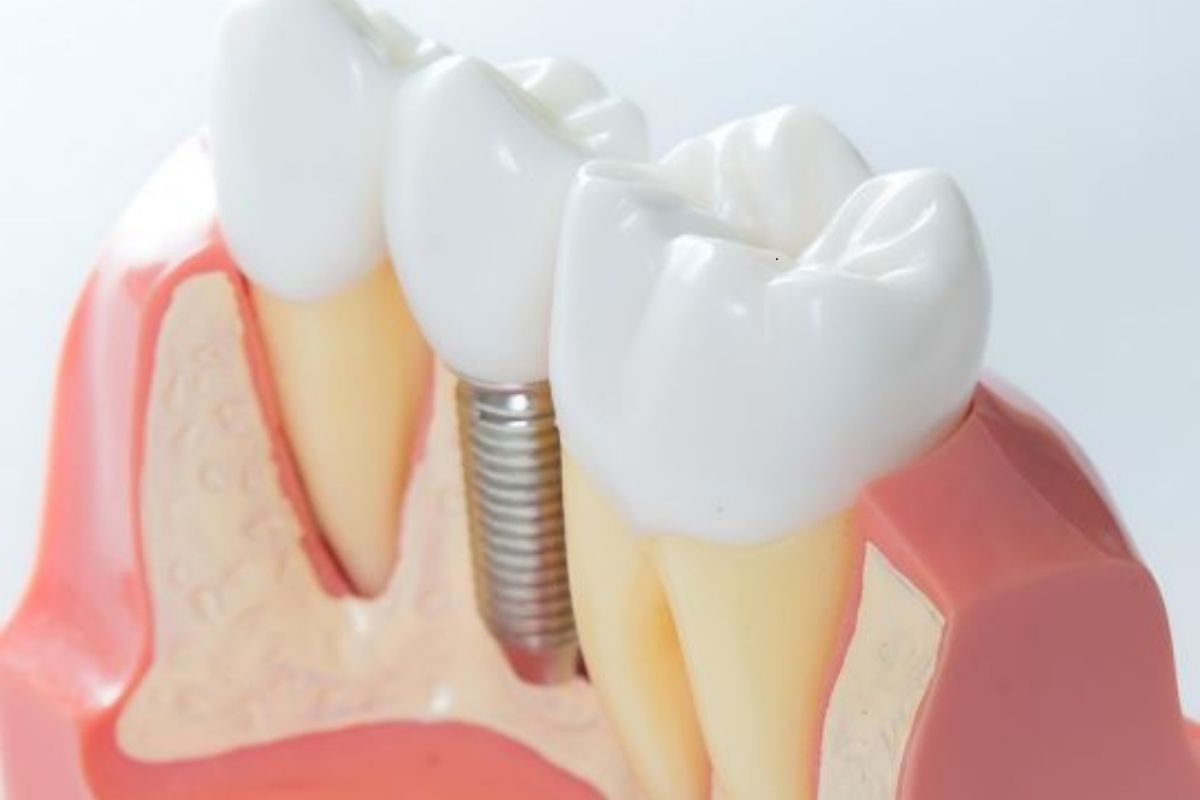
- After healing, an abutment is attached to the implant, and a custom crown is placed on top to complete your new tooth.
Benefits of Dental Implants for Patients with Bone Loss
Choosing dental implants offers numerous advantages, even for those with bone loss:
- Permanent Solution: Implants are a long-term replacement option.
- Improved Function: Restores the ability to eat, speak, and smile confidently.
- Prevents Further Bone Loss: Implants stimulate the jawbone, halting further deterioration.
- Natural Appearance: Mimics the look and feel of natural teeth.
Are Dental Implants Right for You?
If you have bone loss but are considering dental implants, consulting a dental professional is essential. They will guide you through the available options and create a personalized treatment plan tailored to your needs.
Conclusion
Bone loss does not have to be a barrier to achieving a healthy, beautiful smile with dental implants. Thanks to advancements in dental technology, procedures like bone grafting, sinus lifts, and zygomatic implants make it possible for individuals with bone loss to benefit from this transformative solution.
If you’ve been asking, “Can you get dental implants with bone loss?” the answer is a resounding yes. Take the first step by consulting a qualified dental professional, and reclaim your confidence and quality of life today.

New Patients & Emergency Appointments Welcome!