


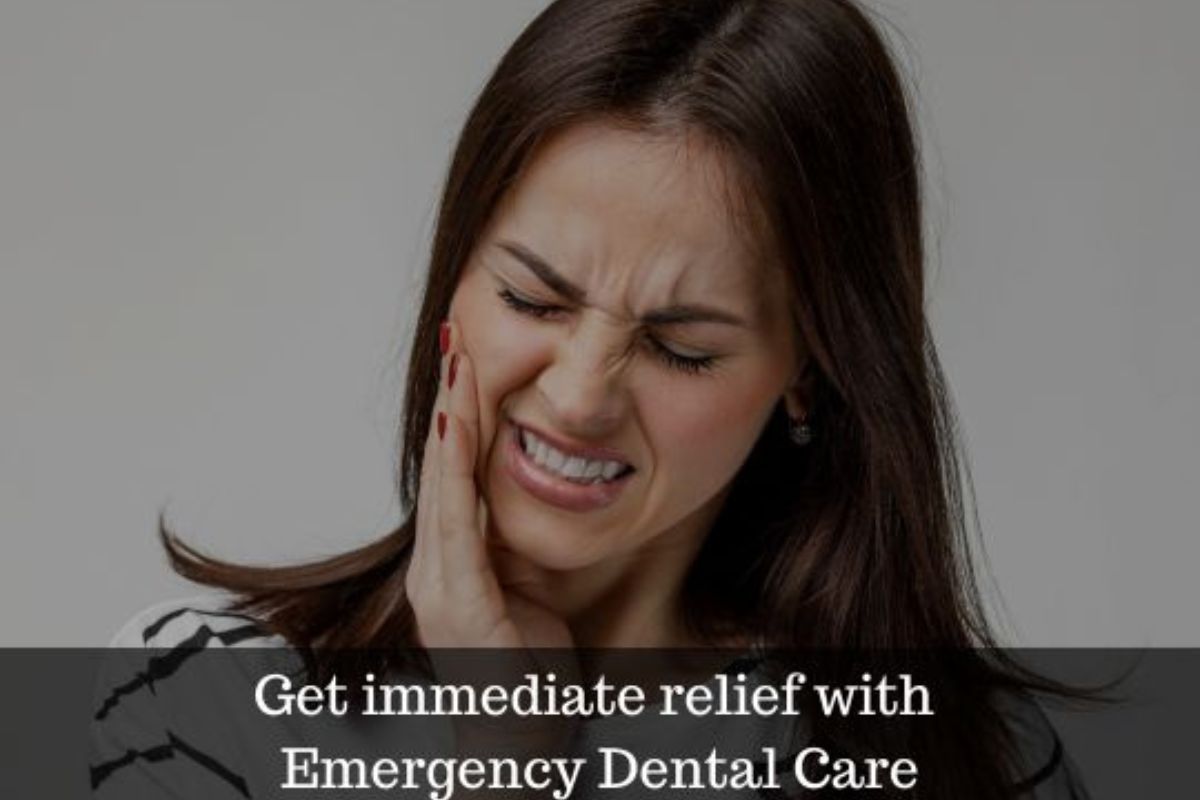
Dental problems rarely happen at a convenient time. Whether it’s a sudden toothache or a knocked-out tooth after an accident, dental emergencies can be painful and stressful. Knowing how to react quickly can make a major difference in protecting your oral health and possibly saving a tooth.
While immediate professional care is often necessary, understanding what to do before you see an emergency dentist can help minimize damage and reduce discomfort. If you ever experience severe dental pain, swelling, or trauma, it’s important to visit our dental office as soon as possible for professional treatment.
Below are some of the most common dental emergencies and practical steps you can take until you receive professional care.
Severe Toothache
A persistent toothache is one of the most common dental emergencies. Tooth pain may be caused by tooth decay, infection, gum disease, or a cracked tooth. Ignoring the pain can allow the problem to worsen and lead to more serious complications.
What you can do:
- Rinse your mouth with warm water.
- Gently floss to remove any food trapped between teeth.
- Apply a cold compress to reduce swelling.
- Take over-the-counter pain medication if necessary.
However, these steps only provide temporary relief. Severe tooth pain often signals infection or damage that requires professional treatment. If the pain persists, contact an emergency dentist immediately.
Chipped or Broken Tooth
Teeth can chip or break due to accidents, sports injuries, biting hard foods, or untreated decay. A damaged tooth may cause pain, sensitivity, or sharp edges that irritate your mouth.
What you should do:
- Rinse your mouth with warm water to clean the area.
- Save any broken tooth fragments if possible.
- Apply a cold compress to reduce swelling.
- Avoid chewing on the injured side of your mouth.
Knocked-Out Tooth
A knocked-out tooth is one of the most urgent dental emergencies. Acting quickly can increase the chances of saving the tooth.
Immediate steps:
- Pick up the tooth by the crown (the chewing surface), not the root.
- Rinse it gently with water if it is dirty.
- If possible, place the tooth back in its socket.
- If reinsertion isn’t possible, store the tooth in milk or saline solution.
You should see an emergency dentist within about an hour for the best chance of successfully reattaching the tooth.
Lost Filling or Crown
When a filling or crown falls out, the tooth underneath becomes exposed and sensitive. Although it may not always cause severe pain, it should still be treated quickly to prevent further damage.
Temporary measures include:
- Keeping the area clean by rinsing with warm water
- Avoiding chewing on that side of the mouth
- Using dental cement from a pharmacy as a temporary fix
Even if the discomfort is mild, it’s important to book an appointment with your dentist as soon as possible to properly restore the tooth.
Dental Abscess
A dental abscess is a serious infection that forms around the root of a tooth or in the gums. It may appear as a painful swelling or a pimple-like bump on the gums and can cause severe discomfort.
Common symptoms include:
- Severe tooth pain
- Swelling in the gums or face
- Fever
- Bad taste in the mouth
What you can do temporarily:
- Rinse your mouth with warm saltwater several times a day.
- Take pain relievers if necessary.
Soft Tissue Injuries
Injuries to the tongue, lips, cheeks, or gums can occur during sports, accidents, or falls. These injuries may cause bleeding and swelling.
Immediate steps include:
- Rinse your mouth with a mild saltwater solution.
- Apply gentle pressure with clean gauze to stop bleeding.
- Use a cold compress to reduce swelling.
If bleeding continues for more than 15–20 minutes or the injury appears severe, seek emergency dental care right away.
When Should You See an Emergency Dentist?
Not every dental issue requires immediate care, but certain symptoms indicate that you should seek professional treatment right away. These include:
- Severe or persistent tooth pain
- Swelling in the gums, jaw, or face
- Uncontrolled bleeding
- A knocked-out or severely damaged tooth
- Signs of infection, such as fever or pus
Protecting Yourself From Dental Emergencies
While some dental emergencies are unavoidable, you can reduce your risk by:
- Wearing a mouthguard during sports
- Avoiding chewing ice or very hard foods
- Maintaining regular dental checkups
- Practicing good oral hygiene daily
Preventive care plays a key role in maintaining a healthy smile and minimizing the chances of unexpected dental problems.
Don’t Ignore Dental Pain — Get Help Quickly
Dental emergencies can happen suddenly, but quick action and professional care can protect your teeth and prevent serious complications. If you experience pain, injury, or swelling, don’t wait.
Visit our dental office for prompt, compassionate care. Our experienced team is ready to help diagnose the problem, relieve discomfort, and restore your smile.
If you’re dealing with a dental emergency, book an appointment today so we can provide the urgent care you need.
Frequently Asked Questions
1. What qualifies as a dental emergency?
A dental emergency includes situations like severe tooth pain, a knocked-out tooth, uncontrolled bleeding, swelling, or signs of infection. These issues require immediate evaluation by an emergency dentist.
2. Should I go to the ER for a dental emergency?
Most dental emergencies should be treated by a dentist. However, if you experience severe swelling affecting breathing, heavy bleeding, or facial trauma, you should seek emergency medical care.
3. How quickly should I see an emergency dentist?
You should seek dental care as soon as possible—especially for a knocked-out tooth, severe pain, or infection. In many cases, treatment within an hour can improve the chances of saving the tooth.
4. Can a knocked-out tooth be saved?
Yes, a knocked-out tooth can often be saved if it is placed back in the socket or stored properly and treated by a dentist within about 30–60 minutes.
5. What should I do if my toothache suddenly becomes severe?
Rinse your mouth with warm water, floss gently, and apply a cold compress. Then contact an emergency dentist immediately to diagnose the cause of the pain.
6. How can I prevent dental emergencies?
Regular dental visits, wearing a mouthguard during sports, avoiding hard foods, and maintaining good oral hygiene can significantly reduce the risk of dental emergencies.



New Patients & Emergency Appointments Welcome!