


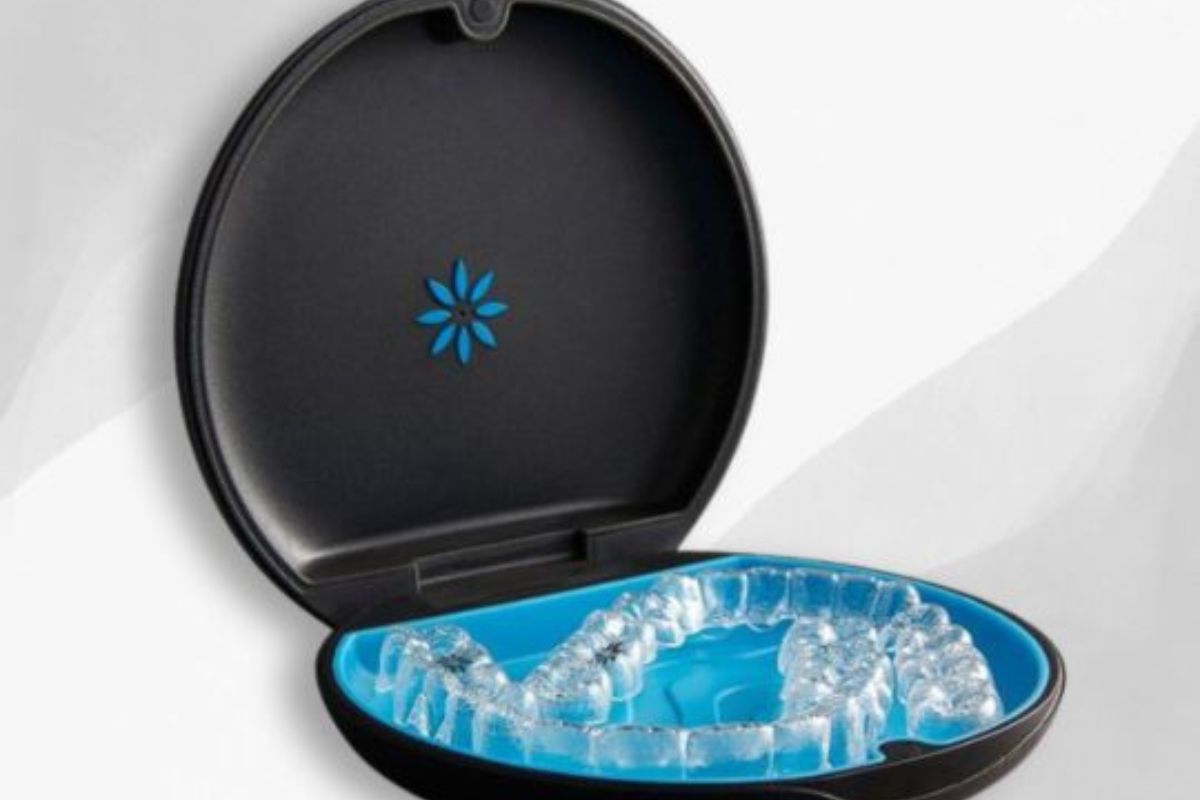
When it comes to straightening teeth and achieving that perfect smile, two popular options stand out: Invisalign and traditional braces. Each method has its unique benefits and considerations, and choosing between them is a significant decision. If you’re considering orthodontic treatment, this guide will help you understand the differences between Invisalign and traditional braces, so you can make an informed choice that best suits your needs.
Understanding the Options
What are Traditional Braces?
Traditional braces consist of metal brackets and wires that are attached to the teeth. These components work together to gradually shift teeth into their desired positions over time. Adjustments are made at regular visits to the orthodontist, and patients typically wear braces for 18 to 36 months, depending on the severity of their case.
What is Invisalign?
Invisalign is an innovative orthodontic method that uses a series of transparent, removable aligners to gently reposition teeth. Custom-made from durable plastic, these aligners are designed using advanced 3D imaging technology and are changed approximately every two weeks. This option is especially appealing for those looking for a discreet way to straighten their teeth.
Comparing the Two Options
Aesthetic Appeal
Invisalign: The clear aligners are virtually invisible, allowing patients to straighten their teeth without drawing attention to their orthodontic treatment. This is particularly appealing for adults and teens who may feel self-conscious about wearing traditional braces.
Traditional Braces: Metal braces are noticeable and may affect the wearer’s self-image, especially during social or professional situations. However, some patients embrace the look, viewing it as a rite of passage.
Comfort Level
Invisalign: Patients often report that Invisalign aligners are more comfortable than traditional braces. The smooth plastic does not irritate the gums or cheeks, and there are no metal components to cause discomfort.
Traditional Braces: Braces can cause discomfort, particularly after adjustments. The brackets and wires can irritate the soft tissues in the mouth, leading to soreness.
Treatment Time
Invisalign: Treatment duration varies but often ranges from 12 to 18 months. Many patients experience quicker results than with traditional braces due to the continuous gentle pressure exerted by the aligners.
Traditional Braces: The length of treatment with braces typically falls between 18 and 36 months, depending on the complexity of the case.
Maintenance and Care
Invisalign: One of the major benefits of Invisalign is the ability to remove the aligners while eating, drinking, brushing, and flossing. This allows for a flexible diet without restrictions, and keeping your oral hygiene routine simple is easy.
Traditional Braces: Patients with braces need to avoid certain foods (like popcorn, hard candies, and sticky treats) that could damage the brackets. Additionally, cleaning around the brackets can be more challenging, requiring special tools like floss threaders or interdental brushes.
Cost Considerations
Invisalign: The cost of Invisalign can be comparable to or slightly higher than traditional braces, depending on the complexity of the case and the duration of treatment. Many dental insurance plans cover Invisalign, just as they do with braces.
Traditional Braces: Typically, traditional braces can be more affordable upfront. However, the overall cost may vary based on treatment duration and adjustments needed.
Effectiveness
Invisalign: Invisalign is effective for mild to moderate orthodontic issues, including crowding, spacing, and some bite issues. However, more complex cases may still require traditional braces for optimal results.
Traditional Braces: Braces are often recommended for more severe alignment issues, such as significant overbites, underbites, or complex rotations. They can address a wider range of orthodontic problems.
Making the Right Choice for You
Deciding between Invisalign and traditional braces largely depends on individual preferences and unique dental requirements. To help guide your choice, consider the following questions:
- What is your age and lifestyle? If you’re an adult or a teenager looking for a discreet option, Invisalign might be preferable.
- How complex is your orthodontic issue? Consult your orthodontist to determine which option is more suitable for your specific dental needs.
- What is your budget? Weigh the costs associated with both options, including any insurance coverage.
- How comfortable are you with maintenance? Consider which option aligns better with your daily routine and comfort level.
Conclusion
Both Invisalign and traditional braces provide successful solutions for achieving a straighter smile. Understanding the differences between the two options is essential for making an informed decision that aligns with your lifestyle, preferences, and orthodontic needs. Consulting with Blanco Dental Center & Orthodontics can provide additional insights, ensuring that you select the right treatment for your journey toward a healthier, more confident smile. Whichever option you choose, the end result will be a smile you can be proud of!
New Patients & Emergency Appointments Welcome!