


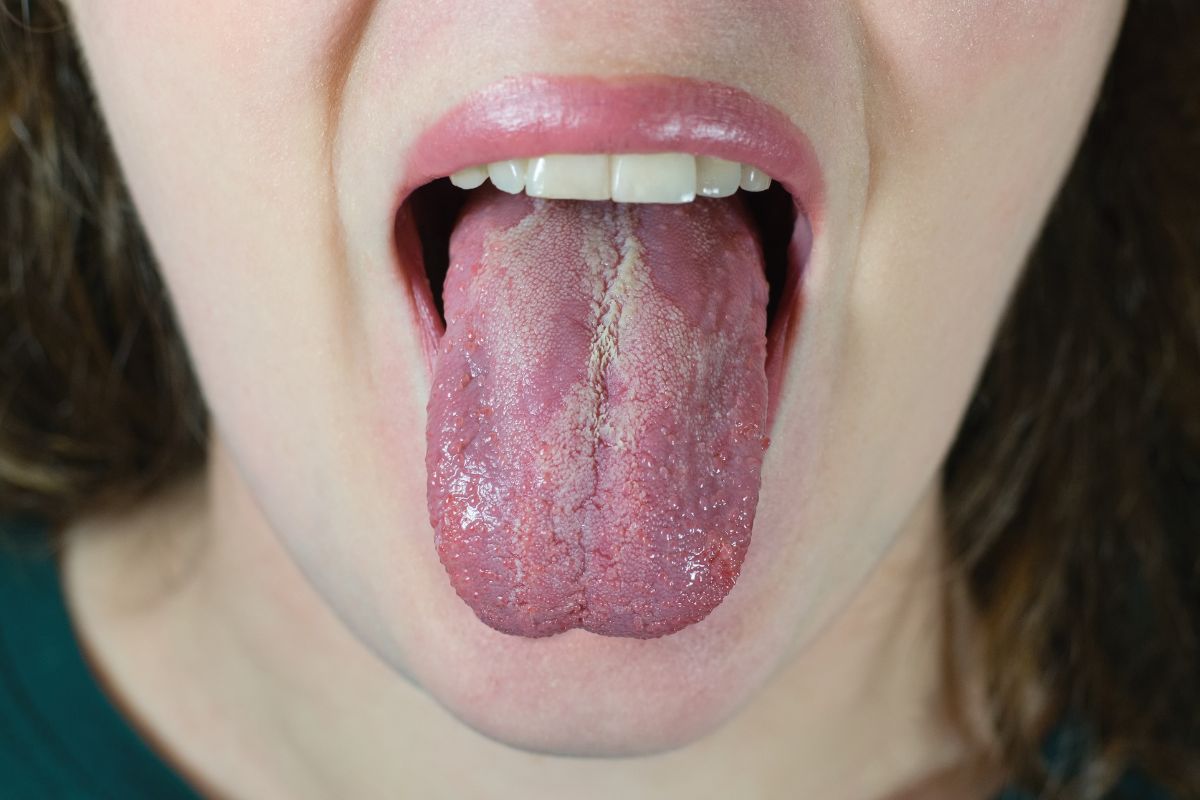
If you have ever looked in the mirror and noticed bumps on the back of your tongue, you are not alone. Many people become concerned when they see raised areas, larger bumps, or uneven textures near the tongue’s throat. The good news is that in many cases, these bumps are completely normal. However, there are times when changes in the tongue may signal an underlying oral health issue that should not be ignored.
Understanding the difference between normal tongue anatomy and symptoms that require professional attention can help you protect your oral health and avoid unnecessary worry. At Blanco Dental Center & Orthodontics, patients often ask whether tongue bumps are harmless or signs of infection, irritation, or another condition. This guide explains what those bumps may mean, when they are considered normal, and when it may be time to visit a dentist for an evaluation.
What Are the Bumps on the Back of the Tongue?
The tongue is covered with tiny structures called papillae. These small bumps contain taste buds and help with eating, swallowing, and speaking. Toward the back of the tongue, some papillae naturally appear larger and more noticeable. These are called circumvallate papillae, and they are completely normal.
Because these bumps sit farther back on the tongue, they may suddenly become visible when you look closely in the mirror. Many people mistake them for infection or disease when they are actually a natural part of the mouth’s anatomy.
In some cases, however, bumps on the tongue may become enlarged, irritated, painful, or discolored. When that happens, the cause could be linked to irritation, inflammation, infection, allergies, or other oral health conditions.
Normal Tongue Bumps vs. Abnormal Tongue Changes
Knowing what is considered normal can help you recognize when something deserves closer attention.
Normal Tongue Bumps
Healthy bumps on the back of the tongue are usually:
- Symmetrical on both sides
- Pink or slightly reddish
- Soft and painless
- Consistent in size
- Not growing or spreading
These normal papillae help support your sense of taste and are part of your body’s natural oral structure.
Abnormal Tongue Bumps
You should pay closer attention if the bumps are:
- Painful or tender
- White, yellow, or dark in color
- Bleeding easily
- Growing larger over time
- Accompanied by bad breath or fever
- Causing difficulty swallowing
- Lasting longer than two weeks
If you notice these symptoms, scheduling a professional dental care evaluation is important.
Common Causes of Bumps on the Back of the Tongue
Several conditions can lead to abnormal tongue bumps. Some are mild and temporary, while others may require treatment from a dentist or medical professional.
Enlarged Papillae
Sometimes the tongue’s natural papillae become irritated and swell temporarily. This can happen after:
- Eating spicy or acidic foods
- Burning the tongue with hot food or drinks
- Smoking or vaping
- Stress or lack of sleep
- Minor injuries from biting the tongue
These bumps often improve within a few days without treatment.
Lie Bumps (Transient Lingual Papillitis)
Lie bumps are small, painful, inflamed papillae that can appear suddenly. They are usually harmless but may feel uncomfortable while eating or speaking.
Possible triggers include stress, irritation, poor oral hygiene, or certain foods. Most cases resolve on their own within a few days.
Oral Thrush
Oral thrush is a fungal infection caused by an overgrowth of yeast in the mouth. It can create white patches or raised bumps on the tongue and other oral tissues.
Common symptoms include:
- Creamy white patches
- Redness or soreness
- Difficulty swallowing
- Cotton-like feeling in the mouth
Thrush is more common in people with weakened immune systems, diabetes, dry mouth, or those taking antibiotics.
Viral Infections
Certain viral infections may cause bumps or sores on the tongue, including:
- Cold sores
- Hand, foot, and mouth disease
- HPV-related lesions
These conditions often come with additional symptoms like fever, fatigue, or mouth discomfort.
Allergic Reactions
Food sensitivities or allergic reactions can sometimes trigger swelling or bumps on the tongue. Spicy foods, acidic fruits, or certain oral products may irritate sensitive tissue.
Canker Sores
Canker sores can occasionally form near the back of the tongue. These painful ulcers may make eating and speaking uncomfortable, but they are generally not contagious.
Acid Reflux
Chronic acid reflux may irritate the tongue and throat area over time. Stomach acid exposure can contribute to inflammation and unusual sensations in the mouth.
Oral Cancer
While rare, persistent bumps or sores on the tongue that do not heal should always be evaluated. Oral cancer symptoms may include:
- A lump that persists
- Red or white patches
- Pain while swallowing
- Numbness
- Unexplained bleeding
Early detection plays an important role in successful treatment outcomes.
When Should You See a Dentist?
Not every tongue bump requires treatment, but some symptoms should never be ignored. You should schedule an appointment with a dentist if:
- The bumps last longer than two weeks
- You experience ongoing pain
- The bumps bleed or ulcerate
- You notice changes in color or texture
- Swallowing becomes difficult
- You have persistent bad breath
- You feel a lump in the neck or throat
A professional dental care evaluation can identify whether the condition is harmless or requires further treatment.
At Blanco Dental Center & Orthodontics, patients receive comprehensive oral evaluations to help identify concerns early and maintain long-term oral health.
How Dentists Diagnose Tongue Bumps
When you visit our dental office, the examination may include:
- Reviewing your symptoms and health history
- Examining the tongue and surrounding tissues
- Checking for signs of infection or irritation
- Evaluating oral hygiene habits
- Discussing lifestyle factors like tobacco or alcohol use
In some situations, additional testing or referral to a specialist may be recommended if the bumps appear suspicious or persistent.
Treatment Options for Tongue Bumps
Treatment depends on the underlying cause. Some common approaches include:
Improving Oral Hygiene
Good oral hygiene can reduce irritation and bacterial buildup. Your dentist may recommend:
- Brushing the tongue gently
- Using alcohol-free mouthwash
- Staying hydrated
- Flossing daily
Avoiding Irritating Foods
Reducing spicy, acidic, or very hot foods may help inflamed tissue heal more comfortably.
Prescription Medications
If the bumps are caused by infection or inflammation, treatment may include:
- Antifungal medications
- Antiviral medications
- Antibacterial rinses
- Anti-inflammatory treatments
Monitoring Changes
Some bumps simply require observation to ensure they heal properly over time.
Tips for Keeping Your Tongue Healthy
Your tongue can reveal important information about your overall oral health. These simple habits may help keep your tongue healthy and reduce irritation:
- Brush your tongue daily
- Stay hydrated throughout the day
- Avoid tobacco products
- Limit alcohol consumption
- Eat a balanced diet
- Schedule regular dental checkups
- Address dry mouth symptoms promptly
Routine dental care visits help identify oral health concerns before they become more serious.
Why Oral Health Exams Matter
Many people focus only on their teeth during dental visits, but the tongue, gums, cheeks, and other soft tissues are equally important. During a routine exam, your dentist checks for abnormalities that may otherwise go unnoticed.
Regular exams can help detect:
- Early infections
- Oral cancer signs
- Nutritional deficiencies
- Dry mouth complications
- Gum disease
- Bite-related irritation
Preventive dental care supports both your oral and overall health.
Protect Your Oral Health With Professional Dental Care
Bumps on the back of the tongue are often harmless, but it is always wise to pay attention to changes in your mouth. Persistent discomfort, unusual growths, or sores that do not heal should never be ignored. Early evaluation can provide peace of mind and help identify issues before they become more serious.
If you have concerns about tongue bumps, oral discomfort, or changes in your mouth, the team at Blanco Dental Center & Orthodontics is here to help. Our experienced team provides compassionate, comprehensive dental care for patients of all ages in a comfortable setting.
Schedule your visit today to protect your smile and maintain excellent oral health. Whether you need preventive services, an oral evaluation, or personalized treatment recommendations, we encourage you to visit our dental office or book an appointment with our caring team.
Frequently Asked Questions
1. Are bumps on the back of the tongue normal?
Yes. In many cases, the larger bumps near the back of the tongue are normal circumvallate papillae that contain taste buds.
2. How long should tongue bumps last?
Minor irritation may improve within a few days. If bumps persist for more than two weeks, you should see a dentist.
3. Can stress cause bumps on the tongue?
Yes. Stress may contribute to inflamed papillae or lichen bumps in some individuals.
4. Are tongue bumps contagious?
Some causes, like viral infections, may be contagious. Other causes, such as irritation or enlarged papillae, are not.
5. Should I worry about painful tongue bumps?
Painful bumps are often harmless, but persistent pain or swelling should be evaluated professionally.
6. Can poor oral hygiene cause tongue bumps?
Yes. Poor oral hygiene may increase bacteria buildup and irritation, contributing to inflammation and oral infections.



New Patients & Emergency Appointments Welcome!